Breakfast for Dinner: A Budget-Friendly Backup
Breakfast for dinner as a budget-friendly backup: cost per plate, protein and produce balance, quick options, and pantry staples to keep on hand.


- A breakfast-for-dinner plate usually costs less per person than a meat-centered dinner, because eggs, potatoes, oats, beans, and tortillas are cheap anchors.
- Serve it as a dinner plate: one protein, one vegetable, one fruit, one starch. Pancakes alone are a snack in costume.
- Keep a small backup shelf of shelf-stable and frozen items so the meal is possible on the night the fridge is nearly empty.
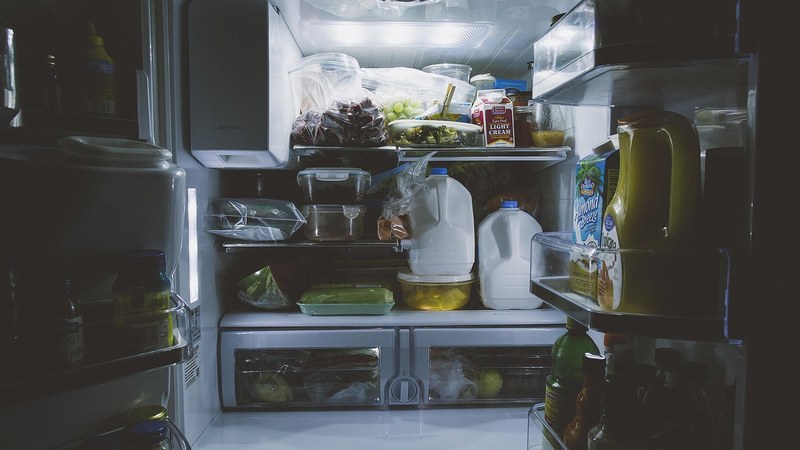
It is 5:40 on a Tuesday. The chicken you meant to thaw is still solid in the middle, the fridge holds half a pepper and one tired carrot, and three people are asking what is for dinner. This is the night breakfast for dinner earns its place. Not as a cute theme, but as the meal that uses what is already on hand and costs less than the alternatives.
Families sometimes treat breakfast at night as a small failure, something to apologize for. The guilt is misplaced. Eggs, oats, potatoes, beans, and tortillas are among the cheapest building blocks in any store, and most cook faster than a roast or a pan of chicken. The trick is to serve a dinner plate that happens to be made of breakfast food, not a breakfast plate.
The sections below cover the real cost per person, keeping protein and vegetables in the mix, ten-minute and forty-minute versions, and a small backup shelf for the night you need it. Costs are rough and move with region, season, and store.
What breakfast for dinner costs per plate
Start with the anchors. A dozen eggs commonly lands between $3 and $6 depending on where you shop and the time of year. A five-pound bag of potatoes is often a few dollars, and beans, tortillas, oats, and cheese are modest purchases that stretch across several meals.
Build a family-of-four plate from those items. Eight or nine eggs, two pounds of potatoes, half an onion, a cup of shredded cheese, a handful of frozen peas or spinach, and a few tortillas might total roughly $7 to $10 in many regions. That is about $2 to $2.50 per person, before drinks or toppings. A meat-based dinner often costs $6 to $10 for the protein alone at the same table.
The savings come from three things. The protein is inexpensive per serving. The starch is cheap and filling, so portions stretch. And the meal needs little else: no sauce jar, no marinade, often one pan to wash.
Two cautions keep the math honest. Toppings and drinks can erase the advantage faster than the food itself. And egg prices move with supply, so check the per-unit price and let beans or yogurt carry more of the plate when eggs are high. The meal is not always the cheapest option; it is reliably cheap, with no planning required.
Balance the plate: protein, produce, starch
A breakfast dinner works when it has the same shape as any dinner: a protein anchor, a serving of produce, and a starch. The anchor might be eggs, beans, yogurt, cheese, or a little leftover meat. The produce can be frozen, canned, or raw. The starch is bread, potatoes, tortillas, or oats.
One plate that holds together: corn tortillas with scrambled eggs, black beans, wilted spinach, salsa, and orange slices. Another: potato-and-pepper hash under a fried egg, with apples. A third for a cold night: oatmeal with milk and peanut butter, sliced banana, and a hard-boiled egg on the side. Each covers the three jobs without becoming a project.
Protein matters more than families assume. Pancakes and syrup alone give children energy that fades quickly, and hunger returns before bedtime. Eggs, yogurt, or beans slow the meal down and make it last, which also reduces the second round of toast requests where the real cost of a cheap dinner hides.
Produce is the part most often skipped, so make it the easiest thing on the counter. Frozen peas go into eggs in the final minute. Frozen peppers and onions go straight into the pan. Canned tomatoes become a quick sauce. Nutrition advice for a specific child belongs with a pediatrician or a registered dietitian, but a vegetable and a fruit at dinner is a reasonable general target, and frozen counts.
Ten-minute versions and oven versions
Choose the version by how much energy you have, not by what sounds most impressive. The ten-minute version is scrambled eggs, toast, and fruit, with cheese or beans added to the eggs. Heat the pan while you crack the eggs, toast in the same minutes, and put washed fruit on the table. It is not glamorous, and it works.
The fifteen-minute version is a breakfast quesadilla. Put beans and cheese between tortillas, brown it in a dry pan, and serve with salsa and cucumber or orange slices. It feels more like dinner because it has a shape and something to dip, and older children can assemble their own.
The oven version asks less of you. Toss diced potatoes, onion, and pepper with oil and salt, roast at high heat for about half an hour, crack eggs into wells, and return the pan until the whites set. That is roughly forty minutes of mostly waiting, suited to a night you are home but busy with homework or laundry.
Griddle night is the one most likely to drift into dessert. Pancakes, waffles, or French toast can anchor a meal if eggs and fruit sit beside them. Serve the pancakes as the starch, not the whole plate, and put protein and fruit on the table before the syrup.
| Version | Rough cost for four | Active time | Protein anchor | Produce to add |
|---|---|---|---|---|
| Scrambled eggs and toast | $7–$9 | 10 minutes | Eggs, cheese | Fruit, frozen peas in the eggs |
| Breakfast quesadillas | $8–$10 | 15 minutes | Beans, cheese | Salsa, cucumber, orange |
| Sheet-pan potato hash | $9–$12 | 15 minutes, 40 total | Eggs | Peppers, onion, spinach |
| Pancake night, done right | $8–$11 | 20 minutes | Eggs, yogurt | Berries or banana |
Before the grocery run, check the food line against the month. The planner below turns take-home pay and regular bills into a monthly number you can compare with other costs. It is a rough guide, not a spending rule.
Make it read as dinner, not a shortcut
Children take their cues from how a meal is presented. Breakfast food on a dinner plate at the table reads as dinner. The same food in a cereal bowl in front of a screen reads as giving up. The food is identical; the framing changes the mood.
Three small moves do most of the work. Use dinner plates and set the table. Put a savory option on the table, such as salsa, hot sauce, pickled onions, or grated cheese, so adults can adjust their own portion. Serve fruit at the end as dessert, which gives the meal a finish and reduces requests for something sweet.
Give the night a name. Breakfast night on the calendar turns a fallback into a fixture, and a fixture is easier to repeat. Some families tie it to a fixed weekday, such as the night after a late activity. Others keep it unplanned. Both work, as long as nobody treats it as evidence the week has gone wrong.
Breakfast for dinner is not a sign that planning failed. It is a plan that already worked.
Involvement helps. A young child can tear spinach or set out fruit. An older child can crack eggs or flip pancakes with supervision. Children who help make the meal are more likely to eat it. Keep the safety line clear around hot pans and raw eggs, and wash hands before and after.
Build a pantry backup you never have to plan
The meal only works as a backup if the ingredients are already home, which means a deliberate shelf rather than hope. Keep a bin in the pantry and a matching zone in the freezer with enough for two dinners. It does not need everything, only the anchors that combine into a plate.
A practical list: eggs, potatoes or sweet potatoes, onions, canned beans, tortillas, oats, canned tomatoes, frozen peas, frozen spinach, shredded cheese, oil, salt, and a spice or two you use. Add peanut butter, shelf-stable milk, and a few apples or oranges.
Manage it with two rules. Replace what you use on the next grocery trip, so the backup stays a backup instead of dissolving into the everyday pantry. Check dates once a month, using the oldest items first. Five minutes prevents finding an expired can at the moment you need it.
Cooked components can be made ahead. Boiled potatoes keep for several days and turn into hash in minutes. Hard-boiled eggs cover breakfast and snacks. A batch of beans freezes in small containers. Cool cooked food promptly, store it cold, and reheat until steaming; for any food you are unsure about, follow local food safety guidance rather than guessing.
Breakfast For Dinner FAQ
Is breakfast for dinner healthy for children?
A balanced plate with a protein, a vegetable, a fruit, and a starch covers the same ground as any other dinner. The meal is not less nutritious because of the hour. If a child has allergies, a growth concern, or a prescribed diet, ask their pediatrician or a registered dietitian for advice that fits them.
How often can we serve it without it becoming boring?
There is no fixed limit. Once a week is common, and some families use it as the default on their busiest night. Rotate the format, not just the toppings: eggs, quesadillas, hash, pancakes, oatmeal, and yogurt plates feel different even when they share ingredients.
What if my children only want pancakes?
Serve pancakes as the starch and put eggs, yogurt, and fruit on the table first. Let them eat the pancakes alongside the rest. Repeated exposure without pressure tends to do more than a rule that turns the meal into a negotiation.
Can I prep breakfast for dinner in advance?
Yes. Boil potatoes, cook beans, and make egg muffins or hard-boiled eggs ahead. Cool everything quickly, refrigerate in shallow containers, and reheat to steaming. Prepped components cut the weeknight version down to assembling and warming.
This week, pick one night and put breakfast for dinner on the calendar without calling it a backup. Build the plate around eggs or beans, add a vegetable and a fruit, and set the table as you would for any other dinner. Then stock the bin with two dinners' worth of anchors so the next unplanned evening has somewhere to land.
For more meals and routines that hold up on a real week, browse our Family Meals guides, and use the Family Budget Planner to see how a cheaper dinner night fits into the month. If food costs are part of a wider money problem, a nonprofit credit counselor can help with the larger picture.
Priya Patel is a recipe developer and meal-planning writer with a focus on weeknight dinners, school lunches, and grocery budgets that work for real families. She keeps ingredient lists short, uses equipment most kitchens already have, and writes for cooks who are short on time.