Picky Eater Strategies That Work
Picky eater strategies that reduce pressure: repeated exposure, small portions, one safe food, and a family meal structure that works at home.

- Put one safe food on the table at every meal, and never tie it to a condition.
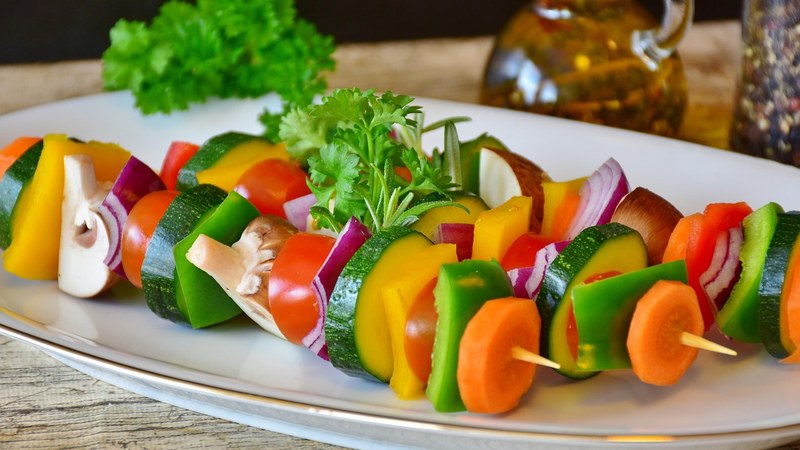
- Offer unfamiliar food in one- or two-bite amounts. A small ask invites a look; a full serving demands a decision.
- Let the routine carry the meal: adults choose the menu, children choose how much, and nobody comments on the fork.
Dinner is on the table and the negotiation starts before anyone picks up a fork. One child wants the pasta plain, another wants nothing green within sight, and the youngest pushes the bowl to the far edge of the plate.
The usual fixes are quick and loud: three more bites, no dessert until the plate is clean, a spoon turned into an airplane. They can win a single evening. Over a month, they turn dinner into a contest, and most children decide that losing is safer than playing.
A calmer approach is slower. It rests on repeated exposure, small portions, no pressure, one familiar food at every meal, and a steady family routine. It is not a script for winning tonight; it is a set of habits that changes what dinner feels like over weeks.
Why pressure makes the problem worse
Pressure takes many forms. The clean plate rule is the obvious one; praise is subtler. "You are such a good eater" tells a child that eating buys approval, and the same message hides in a deal: finish the chicken and you can have ice cream. Even "just try one bite" becomes a pass-or-fail test, and children learn how to fail on purpose to end the conversation.
What pressure teaches is not a taste for broccoli. It teaches that new food is a confrontation and that the adult's mood depends on how much goes in. A watched child often eats less, not more. Some become negotiators by five; others stop talking at dinner and push food around until the meal ends.
The alternative is a split of responsibility. Adults decide what is served and when. Children decide whether to eat and how much. That removes almost everything there is to argue about, and the plate stops being a report card.
Repeated exposure, without the taste test
Children learn to accept a food by meeting it many times, and most meetings do not involve swallowing. Seeing it on the table counts. Passing the bowl counts. Touching, smelling, licking, and moving it around the plate all count. Taste is the last step in a long series, not the first requirement.
The mistake is treating every encounter as an entrance exam. "This is zucchini, try it" sounds like a demand. A quieter version works better: the zucchini sits in a shared bowl, an adult takes some, and nobody comments. Three weeks of being ignored is still exposure.
Consider a four-year-old who has eaten nothing green for months. Her parent places four green beans beside the pasta, with no words attached. For two weeks they return untouched. In week three she picks one up and puts it down. In week five she eats one and says nothing. Nothing was achieved through persuasion; the food simply became ordinary.
Food chaining handles bigger jumps. Start with a form your child accepts and move one step at a time: fries to oven wedges to small roasted potatoes, or nuggets to homemade strips to grilled chicken in a similar shape. Each step keeps enough of the familiar to make the next one feel possible.
Small portions and one safe food
A serving of a new food is a big request; one or two pieces is a small one. Put a single broccoli floret or two cucumber slices on the plate and let the child decide what happens next. A small portion is easier to look at, easier to touch, and easier to leave.
A safe food is the other half of the strategy. Every meal includes at least one thing your child reliably eats, served to everyone as part of the meal. Bread, rice, plain pasta, tortillas, or the same fruit every night all work. It is not a reward, and it is not removed when something else is refused.
Families get stuck in two directions. The short-order kitchen cooks a second meal after every refusal; within a month there are three dinners and no shared table. The hard line says eat it or wait for breakfast, which teaches that hunger is something done to you. The middle path is one family meal with one safe component: the child eats enough to be comfortable, and the parent does not become a line cook.
| Approach | The pressure plate | The short-order kitchen | Family meal with a safe food |
|---|---|---|---|
| What it looks like | Finish the serving before leaving the table | A second, separate meal after refusal | One meal, one familiar item, no commentary |
| What the child learns | Eating is a test to pass | Refusing gets a better menu | New food can sit nearby without a fight |
| Tonight's result | Often a few bites and tears | Child eats, adult cooks twice | Child may eat only the safe food |
| Effect over months | More resistance, less trust | Narrower diet, more work | Steady familiarity, gradual acceptance |
| Adult effort | High, every meal | Highest, every meal | Same cooking as always |
If a child fills up on the safe food and leaves the rest, the meal still worked. It stayed calm, the new food was present, and nobody had to defend a position.
A meal structure that lowers the stakes
Structure is the quiet engine. Meals at roughly the same times, at the same table, with the same expectations, mean children stop bracing for something new every evening. Predictability makes room for one unfamiliar item because the rest of the meal is not a surprise.
Keep snacks about two hours before meals so your child arrives hungry but not frantic. A child who has been grazing since four has no reason to engage with dinner; a child who is past hungry cannot try anything.
At the table, remove screens and keep the conversation away from food. Talk about the day or the dog. If a child says the food is gross, answer once with something neutral, or say nothing. A reaction, even a calm lecture, pays the comment with attention.
Give children a real job. A five-year-old can carry napkins and choose a portion from the serving bowl; a nine-year-old can set the table or choose Tuesday's vegetable. Family-style service hands the child control of the amount, which makes a small taste their decision rather than yours.
End gently. Twenty to thirty minutes is enough for most children, and then the meal is over without a fight. No sitting alone for an hour and no chasing with a spoon.
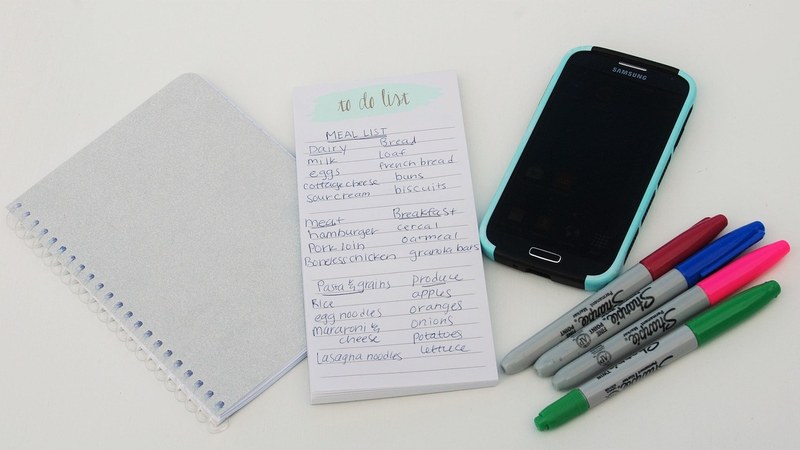
The planner above builds a week from your real family size and weeknight cook time. When you review the list, keep three or four meals your child already accepts, two or three with a familiar base plus a small new item, and one easy backup. The plan does not promise a clean plate; it removes the 5:40 decision.
A sample week and the habits that break it
Take a family of four with a six-year-old whose reliable foods are pasta, bread, apple slices, and chicken. Monday is pasta with sauce on the side and broccoli in a shared bowl. Tuesday is tacos with tortillas and plain cheese. Wednesday is roast chicken, rice, and green beans. Thursday is build-your-own pita with hummus and leftover chicken. Friday is pizza with peppers on half and a plain corner kept clear. Saturday is leftovers; Sunday is soup and bread.
Every dinner has a safe anchor and none requires a second cooking session. The new items are small, passed around, and not discussed. Some nights she eats only bread and chicken; that is inside the plan.
A few habits undo the work. Announcing that a food is new turns dinner into a quiz. Dessert as a reward teaches that the meal is a toll road. Cooking a replacement after every refusal rebuilds the short-order kitchen. Giving up after three attempts is too early. A screen used to sneak in bites hides the food without building comfort. And calling a child picky in front of them hands over a role to keep playing.
There is a point where home strategies are not enough. If a child is losing weight, not growing as expected, gagging or vomiting at meals, or avoiding whole food groups for a long stretch, talk with a pediatrician or a feeding specialist. Persistent feeding difficulties can have medical, sensory, or developmental causes.
The goal of dinner is not a clean plate. It is another calm meal where a new food was allowed to sit nearby.
Picky Eater Strategies That Work FAQ
How long should I keep offering a food my child refuses?
Keep offering it in small amounts for weeks, not days, and keep the offering neutral. If the food starts a fight every time, set it aside for a while and bring it back later in a different form. Familiarity does not have a deadline.
Should I make a separate meal for my picky eater?
Not a full second dinner, but a safe component of the family meal is reasonable. If nothing on the table works, add one simple item such as bread or fruit to the same meal. That keeps dinner workable without turning refusal into a service.
What if my child only eats while watching a screen?
Screens make it harder to notice hunger and fullness, and they hide the food rather than build comfort with it. Try one screen-free dinner a week, then add another, and keep the meal calm while the change settles in.
When should we ask for professional help?
Speak with a pediatrician or feeding specialist if your child is losing weight, not growing as expected, gagging or vomiting at meals, eating a very short list of foods for months, or showing strong distress around eating. These signs deserve an assessment rather than more table strategies.
Start with one change rather than five. Tonight, put a safe food on the table, set out a one-bite portion of something new, and say nothing about it. Keep the routine steady for a month before judging whether it is working, and use the planner to make the week feel less improvised.
For more help with the daily rhythm of feeding a family, browse our family meals guides and try the Weekly Family Meal Plan Generator.
Priya Patel is a recipe developer and meal-planning writer with a focus on weeknight dinners, school lunches, and grocery budgets that work for real families. She keeps ingredient lists short, uses equipment most kitchens already have, and writes for cooks who are short on time.