Quick School Morning Breakfasts
Five-minute school morning breakfasts with protein and fiber: prep-ahead components, no-cook options, and a simple weekly rotation for busy families.

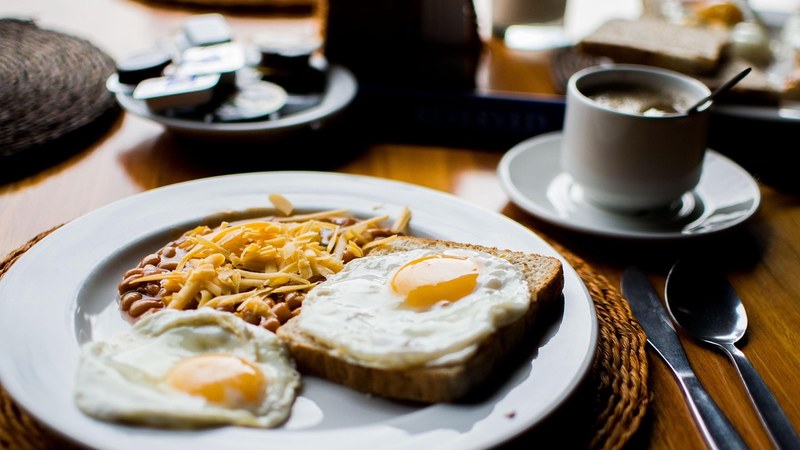
- A five-minute breakfast is assembly, not cooking: the eggs are boiled, the fruit is cut, and the oats are already soaking.
- Every plate needs a protein and a fiber source, or a child is hungry again before the first recess.
- No-cook options belong in the rotation, not in a drawer reserved for mornings that go wrong.
At 7:12 on a Tuesday, one child is dressed but barefoot, the other is holding a spoon over an open cereal box, and the bus leaves in eighteen minutes. The frying pan is still in the cupboard, the apples are uncut, and the yogurt tub needs two hands to open. Nobody is refusing breakfast. There is simply no version of the next five minutes that includes cooking.
Most breakfast advice assumes a cook with time and an audience that sits down. School mornings have neither. The window is short, every extra step competes with shoes and forms, and when breakfast requires a stove, the realistic fallback becomes dry cereal or nothing.
A five-minute breakfast is not a smaller cooked breakfast. It is a different model: components made ahead, assembled on the plate, with protein and fiber built in. This guide covers the plate formula, prep-ahead components, no-cook options, and a week of combinations that run before coffee.
Why the ideal breakfast never happens on a school day
The failure is rarely the recipe. It is the number of decisions packed into twenty minutes. Five cereal boxes, a pan that has to heat, a parent who has to check the milk: each is a small pause, and pauses add up when a bus is waiting. A good plan removes choices rather than adding impressive ones.
There is also the myth of the hot breakfast. Warm food is pleasant on a slow Sunday, but heat is not a nutritional requirement. Toast, yogurt, oats, and fruit can carry the same protein and fiber as a pan of eggs with a fraction of the cleanup. Once you stop measuring breakfast by temperature, the options widen and the five-minute target becomes realistic.
Variety for its own sake does not help either. A different breakfast every day behaves like a daily decision tax. Most families do better with three to five reliable combinations, rotated, with room for a weekend variation. Repetition is what makes a fast morning possible.
The five-minute plate: protein, fiber, fast base
Every breakfast here follows one structure: a fast base, a protein, and a fiber source. The base is the familiar part, such as toast, oats, cereal, a tortilla, or leftover pancakes. The protein keeps a child from hunting the pantry by mid-morning: eggs, yogurt, milk, cheese, beans, or peanut butter. The fiber comes from fruit, vegetables, whole grains, or oats.
The structure matters more than the specific foods. Swap the base when a child gets bored, keep the protein and fiber in place, and the plate still works. Plain cereal with no fruit is the fastest option in the house, and the one that lasts the shortest time.
- Yogurt, granola, berries. Frozen berries go in straight from the freezer and thaw while the child puts on shoes.
- Toast, peanut butter, banana. Slice the banana the night before if mornings are fragile. Under four minutes.
- Boiled egg, toast, orange. The egg is cooked ahead; peel the orange while the bread toasts.
- Overnight oats with milk and grated apple. Mixed in a jar the night before and eaten cold, with nothing to clean.
- Cottage cheese, peach or pear, crackers. No stove and no toaster. This also travels if a child eats in the car.
Protein and fiber together do more than either alone. Toast alone is mostly fast carbohydrate; add peanut butter and a banana and the same toast becomes a plate a child can run on until lunch. Keep portions small enough to finish, because a finished plate is easier to repeat than an ambitious one that comes back half eaten.
Prep-ahead components that make mornings assembly
Prep ahead does not mean cooking a week of breakfasts. It means preparing the parts that slow a morning down: the cutting, the boiling, the stubborn lids. Thirty to forty-five minutes on a Sunday covers most families, and the work fits alongside dinner.
- Boiled eggs. Eight to ten for a family of four. Cool them, refrigerate, mark the day they were cooked, and use them within a few days.
- Cut fruit. Melon, pineapple, citrus, and strawberries hold up in a sealed container. Cut apples close to serving or leave them whole.
- Portioned yogurt. Spoon a large tub into small containers, or buy single portions if the budget allows. The morning lid problem disappears.
- Overnight oats. One jar per child with oats, milk, and fruit, mixed at night and eaten cold.
- A baked batch. Muffins baked once and frozen, reheated on slower mornings. Ten minutes of oven time does not belong in the five-minute plan.
- Smoothie bags. Portion fruit, yogurt, and milk into freezer bags. The morning job is emptying a bag into the blender.
Keep anything with dairy or cooked eggs cold until it goes on the plate. Label containers with the day they were made and use the oldest first; anything that looks or smells off goes out. A roll of masking tape and a marker does more for this system than matching containers, because "Sunday eggs" tells a half-awake parent everything.
Prep components, not completed plates. A container of cut fruit serves a yogurt bowl on Monday and a pancake topping on Saturday, which is how one prep session carries a week without seven identical meals.
| Approach | Morning time | Protein built in | Fiber built in | Best for |
|---|---|---|---|---|
| Cook from scratch | 10 to 20 minutes | Often | Depends on sides | Weekends and late-start days |
| Cereal and milk | Under 2 minutes | Low unless topped | Low without fruit | The emergency shelf, not the default |
| Prep-ahead components | 3 to 6 minutes | Yes | Yes | Most school days |
| No-cook shelf | 2 to 5 minutes | Yes, if chosen well | Yes, if fruit is included | Late mornings and self-serve children |
No-cook breakfasts for the mornings the stove stays off
Some mornings nothing gets near a heat source, and that is fine. No-cook breakfasts still follow the same rule: a base, a protein, a fiber source. The point is not a cold plate as punishment. It is having options that require no supervision, so breakfast happens while an adult signs forms and hunts for a lost shoe.
Overnight oats are the most flexible base. Cocoa and banana is one version, grated apple and cinnamon another, yogurt and berries a third, all mixed the night before in the same jar. Yogurt bowls take two minutes. Cottage cheese with sliced fruit works for children who dislike yogurt. Smoothies made from freezer bags need a blender but no stove, and cleanup is one pitcher and one cup.
A designated no-cook shelf helps older children serve themselves. A basket at child height with cereal, bowls, and a scoop gives a seven-year-old a real breakfast job. Keep shelf-stable items separate from anything with dairy, and put a card with three combinations beside the basket.
Nut butters and whole nuts need extra care. Many schools restrict nut products, so seed butter is a practical substitute. Whole nuts are a choking risk for young children, so use a thin spread or ground seeds and follow your pediatrician's guidance for your child's age. If a child has a diagnosed allergy, keep shared containers and cutting boards separate and check labels every time, because ingredients change between batches.
A week of five-minute combinations
This sample week assumes school-age children, a Sunday prep session with boiled eggs, cut fruit, and overnight oats, and a family leaving between 7:15 and 7:45. It repeats two combinations on purpose and keeps the longest assembly at five minutes.
- Monday. Overnight oats mixed on Sunday, topped with berries. Two minutes, one jar, one spoon.
- Tuesday. Toast, peanut butter, banana coins. The toaster does the only work.
- Wednesday. Yogurt, granola, and apple slices from the prep container. Three minutes.
- Thursday. Boiled egg, toast, and orange wedges. Four minutes, no pan.
- Friday. Smoothie from a freezer bag with toast on the side. Mostly blending.
Notice what the week excludes: no pancake mornings on school days, no custom orders, no second breakfast. Friday is the lightest prep day because the freezer bags and the bread are already there. Saturday and Sunday carry the slower version: eggs cooked to order, or a breakfast that takes twenty minutes.
Adjust the week to what your children actually eat. If oatmeal is refused, move those mornings to yogurt bowls. If eggs are a favorite, add a second egg morning and drop the smoothie. The pattern is base, protein, fiber, with just enough rotation to prevent complaints.
Breakfast runs on components; dinner runs on a plan. The generator below builds seven dinners around your family size, your weeknight time limit, and any preference such as vegetarian or no pork. Run it in the same session you use to boil eggs and cut fruit. One planning block for both meals means fewer decisions later, and a dinner plan that accounts for leftovers can supply breakfast protein the next morning.
Quick School Morning Breakfasts FAQ
What if my child has no appetite at 7 a.m.?
Offer a small portion instead of a full plate, and choose something portable: yogurt, a banana with peanut butter, or toast with cheese. Do not turn breakfast into a battle, and offer the rest later as a snack. If poor appetite persists or growth worries you, ask your pediatrician.
Can we serve the same breakfast every weekday?
Yes. Most children do well with three to five reliable combinations rotated across the week. Repetition removes morning decisions, which is the point of a five-minute breakfast. Save variation for weekends, when there is time to cook.
How do we handle nut allergies or school rules?
Use seed butter or another safe substitute, check labels each time you shop, and follow the school's written policy rather than assuming. If your child has a diagnosed allergy, ask your allergist which products and preparation methods are safe for your household.
How much prep is realistic on a Sunday?
Thirty to forty-five minutes spent on components rather than finished meals: boil eggs, cut fruit, portion yogurt, mix overnight oats. Skip elaborate baking unless it is already a habit. Prep survives when it takes less time than the mornings it saves.
Pick two combinations from the list above and prep their components tonight. Boil six eggs, cut a container of fruit, mix two jars of oats. Tomorrow the plate takes three minutes, and the decision is already made. When the week needs a dinner plan too, the generator above and our family meal guides cover the rest of the day. The Weekly Family Meal Plan Generator is a good place to start.
Priya Patel is a recipe developer and meal-planning writer with a focus on weeknight dinners, school lunches, and grocery budgets that work for real families. She keeps ingredient lists short, uses equipment most kitchens already have, and writes for cooks who are short on time.