One-Pot Family Dinners
Six one-pot family dinners with portions, timing, and less cleanup. A weeknight approach that still puts protein and vegetables on the table.

- One pot means one cooking vessel plus one cutting board. If a recipe needs three pans, save it for the weekend.
- Match the pot to the crowd: a 12-inch skillet for four, a 5- to 6-quart Dutch oven for six or more.
- Build in stages, grains and liquid first and quick vegetables last, so nothing turns soft.
At 6:15 on a Wednesday, the rice is ready, the chicken is ready, and the green beans have gone cold in a second pan. Three burners are running, three timers are beeping, and the sink will take twenty minutes to clear. A one-pot dinner is not a promise that cooking becomes effortless. It is a decision to spend the effort in one place.
For this guide, one pot means one cooking vessel on the stove, plus one board and one knife. A bowl of salad on the side does not count. The vessel can be a wide skillet with a lid, a Dutch oven, or a heavy saucepan; the starch, protein, and vegetables meet in the same place and finish together.
The six dinners below are a rotation, not a rigid menu. Two take about twenty minutes, two land near half an hour, and two are forty-minute pots. Each carries a protein, a vegetable, and a starch, and each can stretch from three people to seven. Portion math and pot order come after the recipes.
Why one pot fits a weeknight better
Cleanup is the obvious gain, and it is not small. One pot, one board, one knife, one spatula. Dinner ends with a short stack instead of a sink full of pans, and whoever cooked is not automatically the one who scrubs.
Attention is the second gain. When rice, sauce, and vegetables cook in separate vessels, each needs its own check. In one pot, the liquid level tells you where the dish is: stir, scrape the bottom, taste, and you have checked everything at once.
There are honest costs. A crowded pot steams instead of browns, so meat goes in in batches when the pot is small. Delicate vegetables wait until the final five minutes. Keep the liquid below two-thirds of the pot when grains are involved, and taste for salt at the end.
Six dinners to rotate through the week
A rotation removes the daily question. Chicken, sausage, ground turkey, eggs, chickpeas, and beans cover the protein; rice, pasta, potatoes, and bread cover the starch. Put the fast dinners on activity nights and the longer pots on calmer evenings.
Skillet chicken and rice with peas and carrots, 35 minutes. Brown a pound of bite-size chicken thighs in a 12-inch skillet, then soften an onion and two diced carrots. Add 1.5 cups of rice, 3 cups of broth, and paprika, cover, and simmer for 15 minutes. Stir in a cup of frozen peas for the last three minutes and rest the pot for five.
One-pot pasta with tomato, white beans, and spinach, 25 minutes. Combine 12 ounces of pasta, a 28-ounce can of crushed tomatoes, 3 cups of water, and two cloves of garlic in a wide pot. Simmer, stirring often, until the pasta is tender and the liquid thickens into a sauce. Add a drained can of white beans and 5 ounces of spinach, then finish with parmesan.
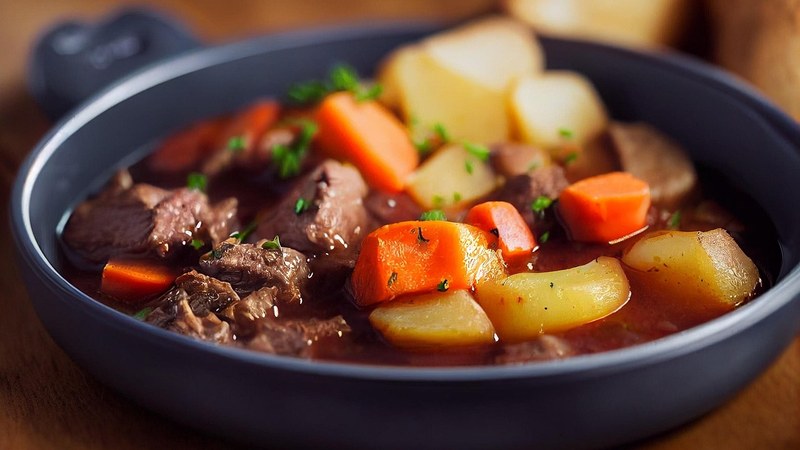
Sausage, potatoes, and green beans, 40 minutes. Slice a pound of sausage and brown it in a Dutch oven, then add 1.5 pounds of cubed potatoes, an onion, a cup of broth, and paprika. Cover and simmer for 20 minutes. Lay 12 ounces of green beans on top for the last eight minutes; the sausage adds enough fat that no oil is needed.
Coconut rice with chickpeas and spinach, 35 minutes. Rinse 2 cups of rice and combine it with a can of coconut milk, 2 cups of water, two drained cans of chickpeas, and curry powder. Simmer covered for 18 minutes, then fold in 5 ounces of spinach and a squeeze of lime. Taste before salting; both carry their own.
Turkey and bean chili, 40 minutes. Brown a pound of ground turkey with an onion, a diced bell pepper, chili powder, and cumin. Add two cans of beans, a can of diced tomatoes, a cup of corn, and a cup of water, then simmer for 20 minutes. A double batch fits a 6-quart pot and freezes in meal-size containers.
Egg fried rice with peas and carrots, 20 minutes. Scramble six eggs in a hot skillet, move them to a plate, and add 3 cups of cold cooked rice. Fry until the grains separate, then return the eggs with a cup of frozen peas and carrots, soy sauce, sesame oil, and sliced scallions. Day-old rice works best; fresh rice clumps.
| Dinner | Pot | Weeknight time | Protein anchor | Vegetables |
|---|---|---|---|---|
| Skillet chicken and rice | 12-inch skillet | 35 minutes | Chicken thighs | Carrots, peas |
| Tomato pasta with beans | Wide pot | 25 minutes | White beans | Tomatoes, spinach |
| Sausage and potatoes | Dutch oven | 40 minutes | Sausage | Green beans |
| Coconut rice and chickpeas | Dutch oven | 35 minutes | Chickpeas | Spinach |
| Turkey chili | Dutch oven | 40 minutes | Ground turkey | Peppers, corn |
| Egg fried rice | Skillet | 20 minutes | Eggs | Peas, carrots |
Each dinner is a template: swap the protein or the vegetable and keep the proportions. One starch, one protein, two vegetables, one pot.
Scaling portions without overflowing the pot
Most one-pot recipes are written for four. Doubling the list leads to a pot that boils over and a dish that tastes flat. Liquid, salt, and pot capacity do not grow on the same line.
Take the chicken and rice. For four, it uses 1.5 cups of rice and 3 cups of broth in a 12-inch skillet. For six, use 2.25 cups of rice and start with 4 cups of broth, adding the last half cup only if the rice looks dry near the end. The larger batch needs a 5- to 6-quart Dutch oven, not the same skillet, because the grains need room to swell.
Salt and spice usually land between 1.25 and 1.5 times the original amount rather than double; taste at the end. Acid goes in last, off the heat. Brown meat in two batches when the pot is fuller, because crowding drops the pan temperature. A half batch in a wide pot evaporates faster, so use a smaller pot and check the liquid early.
The generator turns the lineup into a week. Set the number of people, the time a cook can spare, and any preference such as vegetarian or no pork. It returns seven dinners; treat two as the faster pots above and one as a buffer night. Treat the output as a starting plan.
Keeping protein and vegetables in balance
A one-pot dinner is balanced when the pot holds a protein anchor, a starch, and vegetables in a quantity that looks excessive before cooking. Vegetables shrink. A full bunch of spinach disappears into a pot that looked crowded at the start.
For four people, about one pound of chicken, sausage, or ground meat is a workable anchor; two cans of beans or chickpeas do the same job without meat. Beans and rice, beans and pasta, and chickpeas and rice all combine plant proteins, so a meatless night needs no substitute product.
Choose vegetables with two jobs: one that holds shape through the simmer, such as carrots, peppers, or potatoes, and one that wilts in the final minutes, such as spinach, peas, or scallions. The first goes in early, the second at the end. At the table, a palm-size portion of protein, a cupped hand of starch, and vegetables filling the rest of the plate is a reasonable guide for adults.
Children who dislike mixed dishes often accept the same ingredients apart. Serve from the pot, but let a child take rice first, then vegetables, then protein, and keep the sauce mild. One pot can feed a cautious eater and an adventurous one; the difference is in the plate.
A 35-minute timeline and an easy cleanup
Timing failures usually happen at the start or the end. The start is slow because the pot is cold and the onion is not chopped. The end is rushed because the vegetables go in too late and the rice is already done.
Here is a work-back plan for a 35-minute pot. Minutes 0 to 5: heat the pot and chop the onion. Minutes 5 to 15: cook the onion, garlic, and spices, then brown the protein. Minutes 15 to 20: add the starch and liquid and bring the pot to a simmer. Minutes 20 to 30: leave it mostly alone, with one stir halfway. Minutes 30 to 33: add the quick vegetables. Minutes 33 to 35: rest off the heat, covered. Read the recipe first; most rushing comes from a missing ingredient at minute 18.
Cleanup starts while the food cooks. Cut vegetables first and meat last on the same board, then wash the board and knife while the pot simmers. Serve from the pot to save a dish. While the pot rests, fill the sink with hot water and set the board, knife, and spatula in to soak. Children can set the table; knives and the hot pot stay with an adult.
One pot does not remove the cooking. It puts the work in one place, so the evening has one job instead of four.
One Pot Family Dinners FAQ
Can I double a one-pot dinner for a crowd?
Yes, but change the pot before the quantities. Use a Dutch oven large enough that the food fills no more than two-thirds, brown meat in batches, and add liquid in stages. Doubling salt and spice exactly is usually too much; start at one and a half times and taste.
Which pot should I buy first?
A 5- to 6-quart Dutch oven covers most one-pot dinners for four to six. A 12-inch skillet with a lid handles the faster pasta and rice dishes. Start with the large pot you already own.
How do I keep the vegetables from turning to mush?
Add them in two groups. Firm vegetables go in with the starch; frozen peas and spinach go in for the last three to five minutes. Residual heat finishes them while the pot rests.
Are one-pot dinners enough on their own?
Usually, if the pot has a protein, a starch, and vegetables. Add fruit, milk, or bread on the side. For children who eat small amounts, offer the components separately rather than cooking a second meal.
Tonight, pick two dinners from the list and put their ingredients on the next shopping list. Cook the faster one first, on a night when the schedule is tight.
For more weeknight plans, browse our Family Meals guides, and use the Weekly Family Meal Plan Generator to turn six dinners into a seven-day plan.
Priya Patel is a recipe developer and meal-planning writer with a focus on weeknight dinners, school lunches, and grocery budgets that work for real families. She keeps ingredient lists short, uses equipment most kitchens already have, and writes for cooks who are short on time.