School Lunch Ideas for Kids
School lunch ideas built from four slots: main, protein, vegetable, and snack. Packing station, food safety, and nut-free options for kids at school.

- Build every lunch from four slots: main, protein, vegetable or fruit, snack. Swapping one slot beats inventing a new meal.
- Pack from a station, not the refrigerator. One drawer with everything in reach turns a scramble into a five-minute job.
- Keep cold food cold and hot food hot, and treat nut-free as a design rule, not a last-minute substitution.
At 7:15 on a school morning, the sandwich is dry, the apple is whole because nobody cut it, and the yogurt cup has been on the counter since last night. The lunchbox comes home with three bites gone and a teacher's note about snack time.
Most parents answer by collecting more ideas: saved lists, special cutters, a new recipe tried on a Wednesday when everyone is late. The problem was never a shortage of ideas. Nobody had decided what a complete lunch contains.
This guide treats a school lunch as a small system: four slots, combinations that survive a backpack, a station that makes mornings fast, food safety rules, and a nut-free approach that does not collapse into the same sandwich.
Why the four-slot lunch beats a menu
A menu tells you what to make. A structure tells you how to decide. Menus fail at lunchtime: week two feels repetitive, week three gets abandoned, and by week four the family is back to crackers and a hopeful note.
The structure is four slots. The main is the anchor: bread, a tortilla, rice, pasta, a muffin, or last night's leftovers. The protein keeps a child full past noon: chicken, egg, beans, cheese, yogurt, tuna, or a seed butter. The vegetable or fruit slot adds something fresh. The snack is the small extra that makes the box feel generous: crackers, popcorn, pretzels, or a granola bar. A lunch is complete when all four are filled.
The structure turns one big decision into four small ones. If your child is tired of sandwiches, keep the other slots and swap the main for pasta or a quesadilla. If they suddenly reject yogurt, change that slot and leave the rest alone. A menu forces reinvention; slots let you adjust a corner.
Let children choose one slot, ideally the snack, when you shop. Ownership reduces waste, and a box returned with the protein untouched is useful information: try a different protein next week. Keep portions modest; small amounts in more slots let a young child finish the box.
Combinations kids actually eat
A lunch survives a backpack by being sturdy, easy to open, and pleasant cold. Components beat casseroles. A child who rejects a mixed rice bowl will often eat the same rice, chicken, and peas from separate sections of a bento box, and a picky eater can skip one item without rejecting the meal.
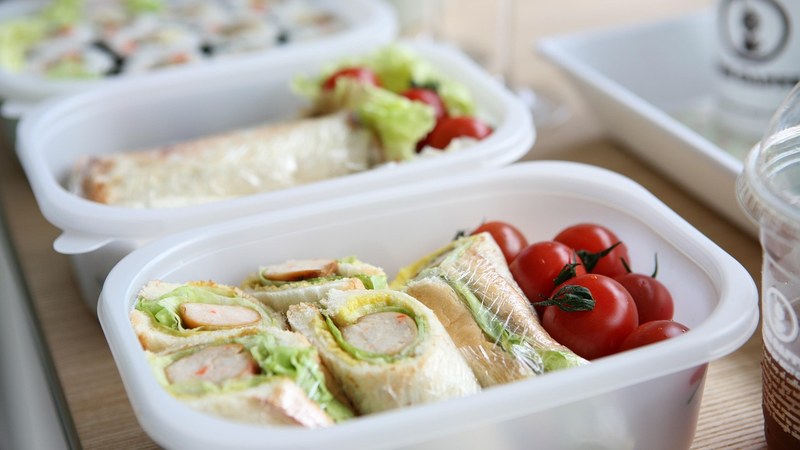
Two examples follow the four slots. The cold lunch: a chicken and cheese wrap cut in half, cucumber rounds with a tiny cup of ranch, grapes, and pretzels. The leftover lunch: cold sesame noodles with shredded carrot, edamame, a hard-boiled egg, and banana bread. Both come from a Sunday prep session.
| Lunch | Main | Protein | Vegetable or fruit | Snack |
|---|---|---|---|---|
| Wrap day | Whole-wheat tortilla | Chicken or hummus | Cucumber rounds | Pretzels |
| Rice bowl | Cold rice | Edamame | Shredded carrot | Popcorn |
| Breakfast box | Mini pancakes | Hard-boiled egg | Berries | Cheese cubes |
| Pasta lunch | Pasta with olive oil | White beans | Cherry tomatoes | Breadstick |
| Taco box | Soft tortilla | Seasoned beans | Corn salsa | Tortilla chips |
| Soup day | Thermos of soup | Grilled cheese strips | Apple slices | Crackers |
Texture is the quiet reason many lunches come home uneaten. A soggy sandwich, warm yogurt, or bruised banana fails the moment the child opens the box. Pack wet ingredients separately, keep dressings in small lidded cups, and put juicy fruit away from crackers. If a food must be warm to be good, it belongs in a thermos.
Include one familiar food in every box. A new item beside three safe ones gets tried; a box full of new items gets traded away. Variety does not require a different lunch every day. Two cold lunches, two leftover lunches, and one thermos day cover the week without a pattern anyone notices.
Build a packing station that runs itself
The station is the difference between a lunch system and a lunch intention. One drawer, shelf, or bin holds everything lunch needs, placed where you already stand in the morning.
Stock the same items every week: two or three nesting containers, lidded cups for dips, an insulated bag, ice packs in the freezer, napkins, utensils, labels, and a shelf-stable snack bin. Keep fruit within reach; tape a laminated checklist inside the door, with words for older children and pictures for younger ones.
The morning sequence is short. Take a container, add the main packed the night before, choose one protein, one vegetable or fruit, and one snack, then add an ice pack for anything perishable. Close, label, and place the box in the out-the-door zone. A child who can read it packs the snack and fruit while an adult handles the protein.
Put a return bin beside the station. Empty lunchboxes go there when a child comes home and get washed before dinner. That prevents the morning discovery that every container is still in a backpack. Restock on Sunday: wash containers, refill the snack bin, cut vegetables, and cook one protein for the first half of the week.
Lunch rotations get easier once the week's dinners are decided. The planner above builds a seven-dinner frame from your family size and cooking preferences. Use it before the Sunday restock: chicken on Monday becomes chicken wraps on Tuesday, and taco night leaves beans for a taco box later in the week.
Food safety from counter to classroom
A lunch spends hours outside the refrigerator, often in a warm classroom. Cold foods travel with something cold, hot foods travel in an insulated container, and anything that cannot stay safe at room temperature stays home. An insulated bag with a frozen ice pack covers most cold lunches; a frozen water bottle works as both cold pack and drink.
For hot food, preheat a thermos with boiling water, pour it out, fill the thermos with steaming food, and close it immediately. This works for soup, chili, pasta, rice, and leftover stew. Hot food in an ordinary plastic container loses heat and sits for hours where bacteria grow.
Leftovers need attention. Cool them quickly in shallow containers, refrigerate promptly, and pack them cold the next morning unless you are reheating for a thermos. Do not pack a portion that sat out through dinner. If you are unsure whether a food was handled safely, throw it out; a missed lunch is cheaper than a sick child.
Wash hands before packing, wash produce eaten raw, and keep raw meat away from ready-to-eat food. Empty and wash the lunchbox daily. Hard cheese, canned tuna, seed butter, whole fruit, and baked goods tolerate a few hours without a cold pack. Soft cheese, cut melon, deli meat, and yogurt need one.
Teach children not to trade food or share utensils. If your child has a diagnosed allergy or a condition that affects what they can eat, follow the school's written plan and your clinician's guidance rather than a general article.
Nut-free lunches without the same sandwich
Many schools ask families to avoid peanut and tree nut products, and some also restrict sesame. The rule is easier when built into the lunch structure rather than applied as a last-minute swap. Peanut butter is convenient, but not the only protein that travels well.
Read labels every time you buy, not just the first time. A product that was safe last month can change its line or add a "may contain" warning. Keep a short list of items that meet the wording your school uses. When a classmate has a severe allergy, avoid cross-contact too: wipe the counter, use clean utensils, and keep shared snack bins free of restricted items.
Good nut-free proteins include hard-boiled eggs, cheese, yogurt, hummus, white beans, edamame, canned tuna, and sunflower seed butter. Roasted chickpeas and bean dips add crunch and protein together. Some schools also restrict seed butters, sesame, and pumpkin seeds, so confirm the policy before relying on them.
Rotate the mains so the rule does not create a sandwich rut. A week might be hummus and vegetable wraps on Monday, leftover chicken and rice on Tuesday, egg salad on Wednesday, bean and cheese quesadillas on Thursday, and lentil soup with bread on Friday. Each fills the four slots and none requires a specialty store.
A nut-free lunch is not a compromise lunch. It is the same four-slot structure with a different protein.
Explain the school's rule in practical terms, and let your child help choose nut-free proteins they like, so the rule feels like part of lunch rather than a punishment.
School Lunch Ideas For Kids FAQ
How much food should I pack for a young child?
Start smaller than you think. Half a sandwich, a few pieces of fruit, a spoonful of protein, and a small snack is often enough in the early grades. Small containers keep portions reasonable; add more later if the box comes home empty.
Can my child eat the same lunch every day?
Yes, if it covers the four slots and your child is happy with it. Repetition is a routine, not a failure. Rotate the snack and fruit, and swap the main every few weeks. A familiar lunch that gets eaten beats an ambitious one that gets thrown away.
How do I keep hot food hot without a microwave?
Use a good thermos. Fill it with boiling water for a few minutes, empty it, add hot food, and seal it right away. Pack it upright and ask your child to keep it closed until lunch. Soup, chili, pasta, and rice all work.
What if our school bans nuts and my child dislikes the usual swaps?
Look beyond sandwich fillings. Leftover dinner, egg dishes, cheese, beans, hummus, and tuna all work as the protein slot. Let your child taste options at home, and check the school's exact policy, since some also restrict sesame or seeds. If your child has an allergy, follow the school plan and your clinician's advice.
Pick one lunch from the table above and pack it tomorrow. Set up a single drawer with containers, napkins, and snacks, then put the return bin by the door before the week starts. Once the four slots and the station are in place, 7 a.m. becomes a short choice instead of a daily negotiation.
If you want more dinner structures to borrow from, browse the Family Meals section, then take the Weekly Family Meal Plan Generator for a spin before the next shop.
Priya Patel is a recipe developer and meal-planning writer with a focus on weeknight dinners, school lunches, and grocery budgets that work for real families. She keeps ingredient lists short, uses equipment most kitchens already have, and writes for cooks who are short on time.