Feeding a Family With Different Dietary Needs
Feed a family with different dietary needs from one base meal: modular additions, portion scaling, allergen safety, and avoiding two separate dinners.

- Serve one shared base and let each person build a plate instead of cooking a second dinner.
- Keep vegetarian and allergen-free components in their own bowls with their own serving spoons.
- Scale the base for the people eating, then scale each add-on separately.
Thursday, 6:20 p.m. One child has decided she is vegetarian, your partner is avoiding dairy, and the youngest wants plain noodles. You are at the stove with three pans going, and none of them will be ready together. By the time you sit down, everyone else has finished.
Cooking a separate dinner for each need is the obvious fix and the one that quietly breaks a household. It multiplies shopping, stove space, and cleanup, and it leaves the cook eating last. Most family meals are already made of separable parts, so a different diet usually needs one component held back, not a second recipe. This guide covers the modular approach, vegetarian and allergen handling, and portion scaling. It is cooking advice, not medical advice.
Why separate dinners fail before the food is cooked
The failure starts at the grocery store. Cooking two or three versions means buying overlapping ingredients in small amounts, which is the most expensive way to shop, and it demands oven and burner space for every version. A meal that should take thirty minutes stretches to an hour. The cook rotates between pans and ends up eating alone after the others have left the table.
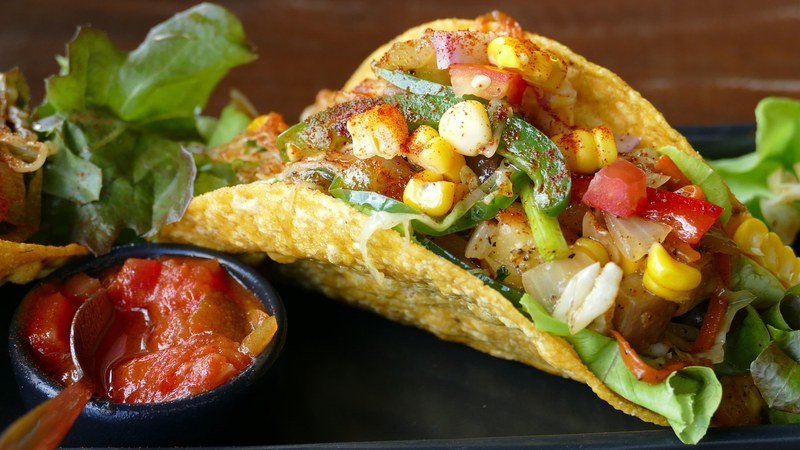
There is a social cost too. A plate assembled in the kitchen as a special project teaches the person eating it that their needs are a burden. Question the premise that a dietary difference requires a different recipe. Pasta with meatballs on the side, a taco table, and a sheet-pan dinner with a small tray of chickpeas all serve one meal to different eaters.
This is not a buffet. A modular meal still has one center and one clear idea of what dinner is; the additions let people configure a plate. The test is simple: if the cook has to stand up twice during the meal to make something new, the system is doing too much.
One base meal, four modular layers
Think in four layers. The base is the bulk everyone can eat: rice, pasta, tortillas, potatoes, or bread. The main carries the meal, such as chicken, beans, fish, or eggs. The vegetables are whatever is in season. The finish is the sauce, cheese, herb, or crunch that completes the plate. Taco night, rice bowls, pasta bars, baked potatoes, and soup with toppings all follow this shape.
Five rules keep it manageable. The base must be safe for everyone, including the person with the allergy. Offer at least two mains or one main plus a substantial vegetarian protein. Provide two finishes, one of them mild. Keep hot food hot and cold food cold. Label any bowl that contains an allergen. None of this requires special equipment, just a few extra bowls and a plan for where they sit.
A worked example: sheet-pan chicken thighs, roasted broccoli, and rice. Roast the chicken on one tray and the broccoli on another; roast a drained can of chickpeas with the same spices on a third small tray for the vegetarian plate. Set out rice, lemon, yogurt sauce, and chili sauce. The dairy-free plate skips the yogurt, the vegetarian plate uses chickpeas, and the child who wants plain rice has rice. One oven, three trays, one dinner.
| Approach | Cook two dinners | Modular base plus add-ons | Everyone eats the same plate |
|---|---|---|---|
| Hands-on time | High; two timings to watch | Moderate; extra bowls | Low |
| Pots and pans | Three or more | Two or three | One or two |
| Allergy control | Good, but easy to mix up | Good with labels and separate spoons | Poor unless the whole meal avoids it |
| Fits a vegetarian | Yes, at the cost of a second meal | Yes, with a separate protein | Only if the meal is vegetarian |
| Best for | Rare, short-term needs | Most families, most weeks | One shared restriction |
The goal is not that everyone eats the same food. It is that everyone eats at the same table, from the same cook, without a second shift in the kitchen.
Vegetarian plates from the same pot
The cleanest way to feed a vegetarian without a second dinner is to reverse the usual order: make the whole meal vegetarian and serve meat as an add-on. Chili, tacos, pasta with tomato sauce, stir-fries, and grain bowls all work this way. For black bean chili, simmer onions, peppers, tomatoes, beans, and spices in one pot, then brown a small pan of ground beef for anyone who wants it. Set out rice, yogurt, cheese, and lime; each person finishes the plate their own way.
Protein deserves attention when someone avoids meat. Beans, lentils, chickpeas, tofu, eggs, and dairy all contribute, and pairing plant iron with tomatoes, peppers, or citrus helps absorption. A growing child on a restricted diet, a pregnant person, or anyone managing a medical condition should have their plan reviewed by a registered dietitian rather than assembled from a blog.
Texture matters as much as nutrition. Children often reject a vegetarian version because the shape of the meal changed, not because meat is missing. Keep the familiar form: the same shell, pasta shape, or rice bowl. Introduce lentils in a sauce the family already likes before expecting them to carry a plate alone.
Allergens: separate first, swap second
A preference, an intolerance, and a diagnosed allergy are three different problems. Someone who dislikes mushrooms can pick them out; someone avoiding dairy for digestion may manage small amounts. A person with a diagnosed food allergy cannot rely on either approach, because a trace amount or a shared spoon can cause a reaction. Treat an allergy as a safety system, not a menu preference.
Use separate serving bowls and utensils, and label anything containing the allergen. Put that dish at one end of the table and serve it last, away from shared platters. Wash hands before and after handling it, use a clean board, and read the label on every package every time, because ingredient lists and shared-facility warnings change.
Cross-contact is the part most families underestimate. Picking croutons out of a salad does not make it gluten-free, and scraping cheese off a burger does not make it dairy-free. Cook gluten-free pasta in its own pot with its own colander, since shared water and strainers carry gluten. If someone in the home carries an epinephrine auto-injector, follow their written emergency plan and keep the device where everyone can find it; this article cannot replace that plan or an allergist's instructions.
Swaps come after separation, not instead of it. Use dairy-free yogurt or lemon where a recipe wants something creamy, choose rice when gluten is the issue, and replace soy sauce with a certified gluten-free alternative after checking the label. For celiac disease, diabetes, renal diets, or feeding disorders, have a registered dietitian review the routine with you.
Scale the base, not the whole table
Portions at a mixed table are uneven by design. A teenager may eat close to two adult servings, a seven-year-old may eat half of one, and a guest changes the count. Scaling everything to the largest appetite leaves food nobody finishes; scaling to the smallest leaves people hungry. Scale the base generously and treat add-ons separately, because beans, sauce, and toppings keep better than a stretched main.
A rice-bowl recipe written for four servings calls for one and a half cups of dry rice. With five adults and one child at the table, six servings is realistic. The scale factor is one and a half, which turns one and a half cups into two and a quarter cups. Enter the original and target servings plus the amount below, and the tool returns the scaled quantity and multiplier.
Use the multiplier with judgment. Savory bases scale almost linearly: rice, pasta, soup, and roasted vegetables behave well when doubled. Salt and strong spices should be scaled with the recipe and then tasted. Baking is different; leavening and pan size do not scale in a straight line, so follow a recipe written for the new size instead of multiplying a cake by one and a half.
Scale the add-ons to the people who eat them. If one person eats the vegetarian chili, make two portions, not six. Check the vessel too: doubling in the same narrow pot creates a deep, crowded layer that steams instead of browns. Use a wider pan, a second tray, or two batches. A batch that fits the pan cooks faster than one that has to be rescued.
Feeding A Family With Different Diets FAQ
Do I have to cook a separate meal for a vegetarian child?
Not usually. Build the meal so the base and at least one protein are vegetarian, then add meat separately for anyone who wants it. Keep the vegetarian protein substantial, and rotate familiar forms so the plate does not feel like a substitute. If the child is young or the diet is restricted, have a dietitian review the pattern.
How do I keep an allergen away from the shared table?
Serve it in a labeled bowl with its own spoon, place it at one end, and serve it last. Use separate utensils, boards, and pots where cross-contact matters, and read every label each time you shop. For a diagnosed allergy, follow your clinician's emergency plan and never rely on scraping or picking food apart.
Can I scale only part of a recipe?
Yes, and it is often better. Scale the shared base to the number eating, then make the vegetarian or allergen-free add-on in the quantity that person will eat. Use the calculator for each component separately. Taste salt and spices as you go, and avoid straight multiplication for baked goods.
What if a family member's diet changes often?
Keep a short note on the refrigerator with two columns: what to avoid and what to add. Choose base meals that flex, such as bowls, tacos, soup, and pasta, and freeze a few portions of the alternative protein. Review the note weekly. For a medical diet, the note should come from the clinician or dietitian who set the plan.
Start with one meal this week. Pick a base the whole table can eat, cook one vegetarian protein alongside it, and put the allergen-containing finish in its own labeled bowl. Then scale the base for the actual number of eaters, not the number of chairs. The first version will feel like more bowls; the second will feel like one dinner again.
For more weeknight plans built around real family schedules, browse our family meals guides, and use the Recipe Serving Scaler whenever a recipe needs to grow, shrink, or split into a separate vegetarian portion.
Priya Patel is a recipe developer and meal-planning writer with a focus on weeknight dinners, school lunches, and grocery budgets that work for real families. She keeps ingredient lists short, uses equipment most kitchens already have, and writes for cooks who are short on time.