Freezer Meals for Family Dinners
Which family dinners freeze well, which do not, and how to package, label, thaw, and reheat them safely for busy weeknights and easy backups.

- Freeze dinners that are saucy, stewed, or packed in a tight casserole. Skip dishes that depend on crisp texture or fresh dairy.
- Portion by meal, press the air out, and freeze flat so a weeknight dinner thaws in hours rather than days.
- Write the date and reheat step on every package, and keep a short list on the door so the oldest meal leaves first.
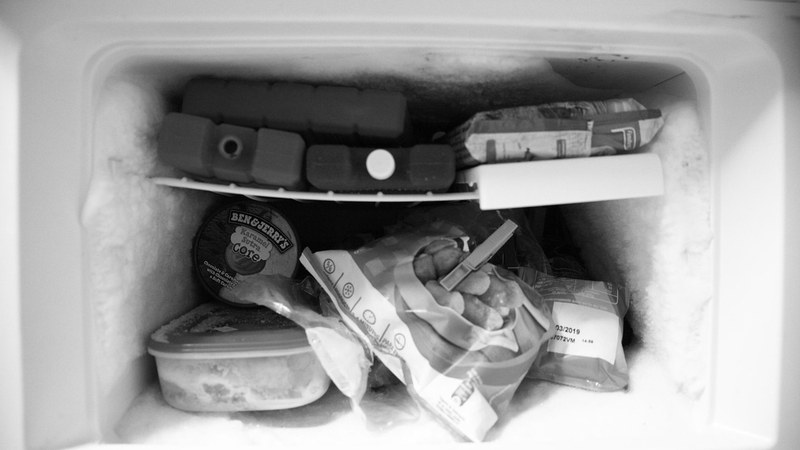
It is 6:10 on a Wednesday. The freezer drawer is full of foil parcels, and none of them announce what they are. One might be chili from three weeks ago; another could be soup, or the sauce that did not fit in a jar. Dinner gets ordered, the parcels stay put, and the project quietly becomes a museum of good intentions.
Freezer meals work when they are a second week of cooking pulled forward, not a separate hobby: cook the dinner you were already making, double it, and bank the extra portion in a form that reheats well. The rest is choosing what deserves the space.
This guide covers which dishes hold up, which disappoint, how to pack and label them, and how to reheat a frozen block into a meal, without turning Sunday into a production line.
Which family dinners freeze well
Start with dishes that already taste good as leftovers. Fresh chili, lentil soup, tomato and meat sauce, curry, braised chicken, meatballs in sauce, bean burritos, and baked pasta all pass that test. They are wet enough to protect their own texture and sturdy enough that a little ice damage goes unnoticed.
The common thread is a generous sauce-to-solid ratio. A stew with plenty of liquid thaws back into a stew; roast chicken and dry rice thaw into something that needs a jug of sauce to be edible. When you plan a batch, picture the dish after the water inside it has rearranged itself.
Starch needs a small adjustment. Cook pasta for a baked dish a minute or two shy of done, because it keeps softening in the sauce and again during reheating. Rice freezes better than most expect if it is cooled quickly and packed slightly moist; a splash of water before reheating brings it back.
A double batch of chili divides into two four-cup containers, which is two dinners with bread and a salad. Twenty meatballs in sauce become four bags of five for a quick sub night or pasta topping. Fillings also freeze better than assembled dishes: taco meat, pulled pork, and pot pie filling bank on their own while tortillas and pastry stay fresh.
What to leave out of the freezer
The failures are predictable. Potatoes in soup or stew turn grainy and slightly sweet. Celery and cucumber lose their snap and release water. Cream sauces can separate into curdled patches. Fried food loses its crust, hard-boiled eggs turn rubbery, and lettuce and fresh herbs come out limp. None of these will make anyone sick, but each one turns a planned dinner into a disappointment.
Most problems have a workaround rather than a veto. Freeze the base of a creamy soup and stir in the cream during reheating. Leave potato out of a stew and add it fresh, or use sweet potato. Freeze fried cutlets unbreaded, then bread and pan-fry them on the night. Salads, cut fruit, and anything meant to be crisp are simply not freezer food.
Food safety matters more than texture. Cooked food should be cooled and refrigerated promptly, and a freezer works best at 0°F or below. Freezing pauses bacterial growth; it does not clean up food that was handled carelessly. If you are unsure a dish was cooled properly, throw it out rather than freeze it, and check local food safety guidance when a situation is unclear.
Large roasts and whole birds need caution too. They thaw slowly and unevenly, which makes reheating risky and the result dry. Slice or pull the meat, portion it with some sauce or broth, and freeze that instead.
| Dinner | Freezes well? | Pack it as | Reheat |
|---|---|---|---|
| Chili or bean stew | Yes, very well | Four-cup containers or flat bags | Stovetop, stirring, about 10 minutes |
| Baked pasta or lasagna | Yes | Foil pan or dinner-sized container | Covered oven, then uncovered to crisp |
| Meatballs in sauce | Yes | Small bags of five with sauce | Stovetop or microwave, sauce loosened |
| Creamy potato soup | Partly | Base only, no cream or potato | Add dairy and cooked potato at the end |
| Fried chicken cutlets | No, not breaded | Plain cooked meat only | Bread and pan-fry fresh |
Packaging that protects texture
Air is the enemy. The dry, pale patch on a frozen meal is freezer burn, and it happens where air touches the surface. The fix is packing the food tightly, removing as much air as possible, and choosing a container that lets you do both.
For soups, stews, and sauces, a rigid container with straight sides is easiest. Leave about half an inch of headspace, because liquid expands as it freezes. For anything reheated in a pot, a heavy freezer bag works better: flattened, it stacks like a book, thaws in hours, and uses less space than a round tub.
For casseroles, line a foil pan with parchment, freeze the whole thing solid, then lift the block out and wrap it. The pan returns to the cupboard and the meal sits in the freezer as a brick that drops back in later. Individually freeze meatballs, burritos, or rice on a sheet pan too, then bag them so they do not clump.
Glass is fine if it is labeled freezer-safe and has straight sides, but cool the food first and never pour hot stew into cold glass, since thermal shock can crack it. If you are unsure about a container, use plastic or bags and keep the glass for the fridge.
Labels and rotation that prevent waste
An unlabeled freezer is a guessing game, and nobody wants to defrost a mystery on a busy night. Label every package as you fill it, while the details are still in your head; freezer tape and a marker are enough.
Write four things: what it is, the date it went in, how many servings it holds, and the reheat instruction. One line does the job: "Chili, Oct 12, 4 servings, stovetop 10 min." The servings line stops a two-person household from thawing a four-person block, and the reheat line saves future you from wondering whether this is soup or sauce.
Rotation is the part most families skip. Use a first-in, first-out rule: the oldest package gets eaten next. A basket or shelf reserved for meals going this week, with everything newer behind it, enforces the rule. A short list on the door, written with a dry-erase marker, jogs your memory at 5 p.m.; five or six entries are plenty.
Once a month, spend ten minutes with the door open. Move anything older than two or three months to the front and plan it into the next week. If the same dish is ignored three months running, stop freezing it. Children can use the list too: a seven-year-old who can read can pick Thursday's dinner, which turns the freezer into a household menu.
A freezer works best as part of a plan. Use the generator above to sketch a normal week, then choose one or two dinners to cook double. Portion the extra meal by the rules here, label it, and put it at the front of the rotation. Over a month, two doubled dinners a week quietly fill the freezer with meals your family likes.
Thawing and reheating without a watery result
The best thaw is in the fridge, overnight. Move tomorrow's dinner down the night before and let it sit on a plate on the bottom shelf. A flat bag thaws in that window; a dense block may need a full day. This method preserves texture because the food never passes through a warm danger zone.
If you forgot, cold water is the next option. Put the sealed bag in a bowl and change the water every half hour. A microwave defrost cycle works in a pinch, but use lower power and start reheating before the edges warm up, since defrosting can cook the thin parts while the center stays frozen.
Soups and stews go on the stovetop over medium-low heat, stirred as they melt, with a splash of water or broth to loosen the sauce. Casseroles go into a covered oven at a moderate temperature until hot through, then uncovered for a few minutes if you want a crisp top. Reheat to steaming hot throughout; for many dishes that means around 165°F in the center, and a thermometer removes the guesswork.
Add a fresh finish. Freezing blunts salt and aroma, so taste before serving and adjust. Lemon, chopped herbs, a spoon of yogurt, or toasted breadcrumbs makes a thawed dinner taste like it was cooked that day. Reheat only what you will eat, and cut a partly frozen block in half if you need fewer servings.
Freezer Meals For Family Dinners FAQ
How long can cooked meals stay in the freezer?
Food held at 0°F or below stays safe, but quality drops. Aim to eat most dinners within two to three months, checking dates so the oldest moves first. Dishes with a lot of dairy are best eaten sooner.
Can I freeze meals in glass containers?
Yes, if the glass is labeled freezer-safe and has straight sides. Cool the food before filling, leave headspace, and avoid moving the container straight from freezer to hot oven. If unsure, use a bag or plastic container.
Do I have to cool food completely before freezing?
Cool it first, but not for hours on the counter. Divide large batches into shallow containers so they cool faster, then refrigerate and freeze once cooled. A big pot of hot stew placed directly in the freezer warms the food around it and slows freezing for everything nearby.
Why did my frozen pasta come out mushy?
It was probably cooked fully before freezing and then kept absorbing liquid during storage and reheating. Cook pasta a minute or two short of done, keep it in plenty of sauce, and reheat gently. Baked pasta holds up better than plain noodles because sauce and cheese protect it.
Start smaller than you think you should. Pick one dinner this week that your family already likes, cook a double batch, and freeze half in a labeled, flattened bag. Add a second dish next week only if the first one got eaten. A freezer holding six meals you trust beats one holding twenty you cannot identify.
For more weeknight ideas that fit real schedules, browse our Family Meals guides, and use the Weekly Family Meal Plan Generator to build the week before deciding what to double.
Priya Patel is a recipe developer and meal-planning writer with a focus on weeknight dinners, school lunches, and grocery budgets that work for real families. She keeps ingredient lists short, uses equipment most kitchens already have, and writes for cooks who are short on time.