Seasonal Home Maintenance Checklist
A seasonal home maintenance checklist for spring, summer, fall, and winter, with climate differences and clear tasks to hire out safely every year.

- Four short seasonal passes beat one long spring weekend, because each season exposes different faults in the same house.
- Let temperature triggers set the dates. A hard-freeze list is wrong for a mild coastal climate.
- Gas, main electrical work, roof work above one story, and structural repairs stay with licensed trades.
The first hard freeze tends to arrive on a weeknight and find the one spigot nobody disconnected. By morning a pipe has split behind the garage wall, insulation is soaked, and the repair quote lands in the same month as holiday travel. The house had warned the family in October; nobody had a date on the calendar.
A single spring cleaning weekend misses most of that. Water shows up in spring, cooling fails in the first hot week, pipes freeze in fall, and indoor air turns stale in winter. Four short passes matched to your climate cover the year better than one long list, and leave room for the jobs to hand to a professional.
Mind the climate, not the month
Months are a rough guide; temperatures are the real trigger. A checklist that says "clean the gutters in November" fails where the leaves drop in January, and an October freeze-prep date is late in a mountain town that frosts in September. Before copying any list, write down four local dates: the last freeze in spring, the first freeze in fall, the first week that regularly reaches the high 80s, and the start of the wet season.
Three climate profiles cover most homes. In a cold-winter climate, the fall pass carries the most weight, because one missed hose connection can cost more than the rest of the year combined. In a mild and wet climate, spring and fall do the work: drainage, moss, gutters, and wood rot. In a hot and dry climate, summer matters most, with shade, irrigation, and cooling equipment drawing attention. Coastal homes add salt and wind, which shorten the life of fasteners, paint, and outdoor furniture.
Children change the list too. A cold-climate fall pass includes winterizing the playset; a hot-climate summer pass includes shade checks and pool gate latches. A list tied to your own four dates gets finished.
Spring and summer: water and heat
Walk the perimeter after a heavy rain. This twenty-minute task is the most useful thing on the spring list. Look for water pooling against the foundation, soil washed away from the slab, and downspouts that dump beside the wall. Adding a downspout extension that carries water several feet away solves more basement moisture than most interior fixes. Test the sump pump, if you have one, by lifting the float.
Clear the gutters after the spring drop. Seeds, pollen, and small branches collect quickly, and an overflowing gutter sends water behind the fascia. Work from a step ladder on firm ground with a spotter, and stay clear of power lines and the service drop. If a gutter sits above a single story, stop; that is not a family task.
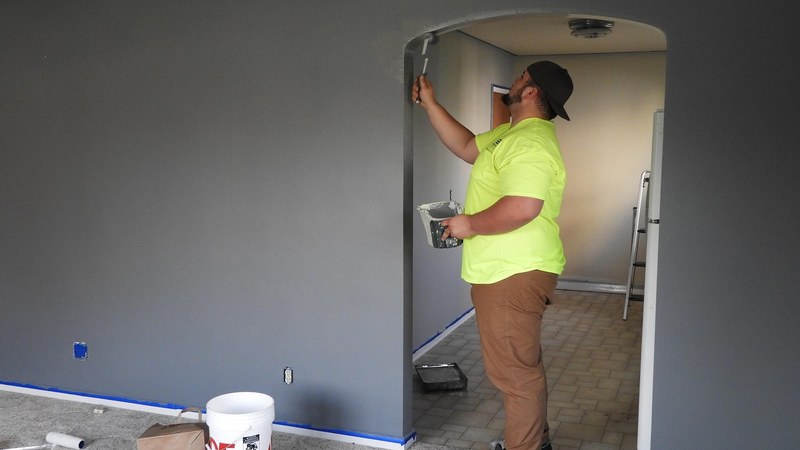
Check caulk and paint on sun-facing walls. South and west walls take the most weather, and a cracked bead around a window is a leak waiting for a windy rain. Scrape loose material, clean the joint, and use exterior-rated sealant. Peeling or chalky paint protects less than it appears.
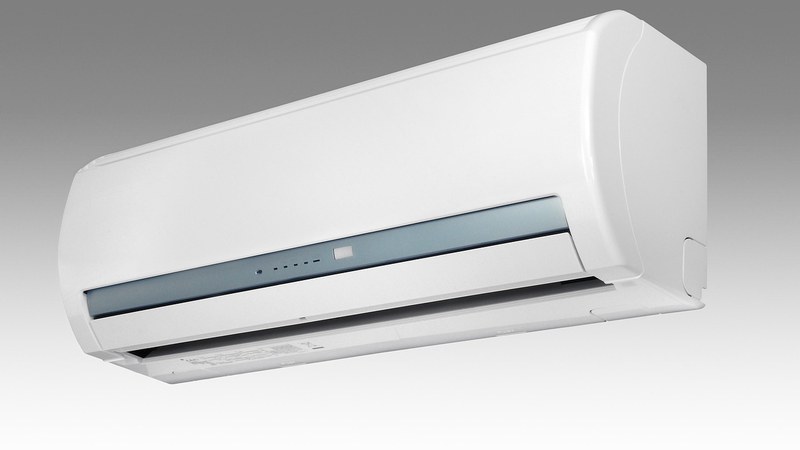
Prepare the cooling system before the first hot week. Replace the filter, clear leaves from around the outdoor condenser, and keep a couple of feet of open space around it. Do not open refrigerant lines or remove panels that expose electrical connections. If it has not been serviced in years, book the visit in spring, before companies fill up.
Check the deck and play structures. Winter loosens bolts, lifts anchors, and opens splinters. Push on railings, inspect swing set anchors, and look for rot where wood meets soil. A deck ledger pulling away from the house is structural, not a weekend fix. Summer adds the garage and grill checks: propane stored outdoors, dryer lint cleared, hose bibs inspected, walkways repaired, and the pool gate tested for a self-closing latch.
Fall and winter: the freeze line
Use the two weeks before the first freeze. Disconnect every garden hose, shut off and drain outdoor spigots if your house has interior valves, and insulate exposed pipe in the garage, crawlspace, or along exterior walls. Irrigation systems need a compressed-air blowout or the manufacturer's winterizing steps.
Prep the heating side. Replace the furnace filter, clear return vents, and remove anything stored near the unit. If your heat burns fuel, an annual inspection by a qualified technician is the sensible default, as is a chimney check. Test smoke and carbon monoxide alarms with their test buttons and replace batteries on the manufacturer's schedule.
Seal the envelope. Door sweeps, weatherstripping, attic hatch gaskets, and foam gaskets on exterior outlets stop drafts and cold spots. Feel each exterior door for daylight or moving air; a gap you can see moves heat all winter. Confirm that bathroom and kitchen exhaust fans vent outdoors, not into the attic.
Clear the gutters again, then look at the roof from the ground. Binoculars are the right tool; the roof is not a family project. Note missing shingles, sagging lines, or staining near the chimney. In winter, watch for ice dams: long icicles along an eave plus water stains on the ceiling below. Never climb up to chip ice or rake snow from a ladder. That work belongs to a roofing professional.
Winter is the indoor season. During cold snaps, open cabinet doors under sinks on exterior walls and let a thin stream run from the farthest faucet if a deep freeze is forecast. Know where the main water shutoff is, and make sure older children can find it. Space heaters need clear space, a stable surface, and wall power, and should never run overnight. Clear walkways of snow and ice, and check that holiday light cords are rated for outdoor use.
Four weekends you can keep
Plan two to three hours per season plus a fifteen-minute monthly walk-through. If a season gets skipped, the walk catches the urgent item and the next season absorbs the rest.
Early spring: perimeter walk, gutters, caulk, sump pump. Late spring: cooling filter and clearance, deck and playset hardware, dryer vent. Early fall: hose and spigot shutdown, pipe insulation, heating filter and vents, weatherstripping, alarm tests, second gutter pass. Midwinter: pipe protection, ventilation, walkway ice, and ceiling stains.
The monthly fifteen minutes is the glue. Walk the house with a notepad, look under every sink for moisture, check the filter, press the alarm buttons, and note anything that changed: a new stain, a sticking door, a soft floor. When the same item appears three months running, it is a repair, not a note.
Keep cleaning and maintenance separate. Cleaning is weekly and repetitive; maintenance is seasonal and irregular. When the two blend, the seasonal checks get buried. The generator below builds the cleaning side around your available time and household size.
Run it once, assign the daily tasks, and put the four seasonal weekends on the calendar. The cleaning plan answers who does what this week; the seasonal list answers what the house needs this month.
| Job | Family task | Professional | Trigger |
|---|---|---|---|
| Gutter clearing | Single story, step ladder | Two stories or steep pitch | After spring drop and leaf fall |
| HVAC filter | Yes, plus debris clearance | Refrigerant and fuel-burning service | Season change and monthly check |
| Caulk and weatherstripping | Yes, exterior-rated sealant | Rot or failed windows | Spring and fall walks |
| Roof look | From the ground, binoculars | Any climbing or repair | After storms and leaf drop |
| Dryer vent | Short, accessible runs | Long or hidden runs | Lint visible or slow drying |
| Gas appliance check | No | Always | Any smell, soot, or odd flame |
The hire-out line
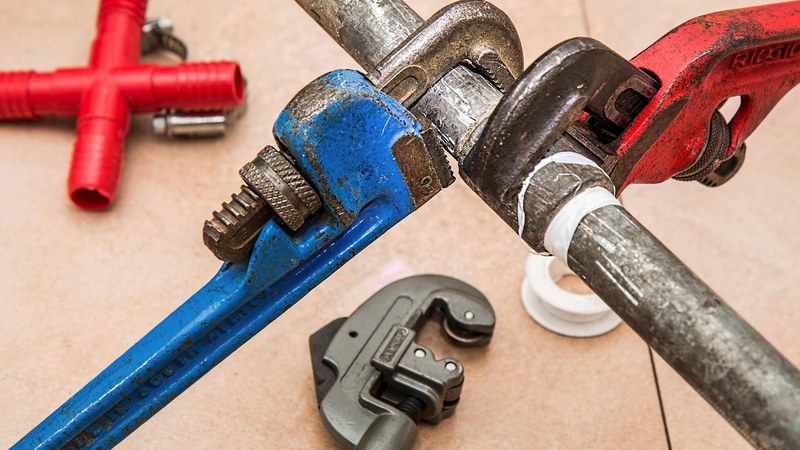
Four categories stay off the family list, not because of skill, but because of what happens in the worst hour. Gas comes first: never disconnect, cap, extend, or pressure-test a gas line, and never install or move a gas appliance. If you smell gas, leave the building and call the utility from outside. A soap-bubble test on a fitting you opened is not a safety method.
Electrical has a clear line. Swapping a light fixture with the breaker off and a tester confirming dead power is within reach for many homeowners. Opening the panel, adding a circuit, replacing a main breaker, or touching aluminum branch wiring is not. If you cannot identify the right breaker with certainty, stop. Two service calls cost less than one fire.
Roof work starts and ends at the ground for most families. Anything above a single-story eave, any ladder work near the service drop, and any walking on a wet or icy roof belongs to a professional. Falls do not offer a second attempt.
Structural questions are the quietest and the most serious. A growing crack, a door that suddenly sticks, a soft floor, a sagging roofline, or a deck ledger pulling away requires an engineer or qualified contractor. Patching over a moving crack hides the message without answering it.
Everything else is fair game for a careful adult: filters, caulk, weatherstripping, door sweeps, alarm tests, spigot shutdown, downspout extensions, accessible dryer lint, and the monthly walk. Older children can test alarms with supervision or carry tools; the ladder and the utility shutoffs stay with adults. The useful test before any task is simple. If a mistake could flood, burn, or collapse, hire it out.
Seasonal Home Maintenance FAQ
How long should seasonal maintenance take?
Two to three hours per season fits a typical house, plus fifteen minutes a month. If your list runs longer, cut it to water, heat, and safety items.
What should renters do?
Renters can handle filters, alarm tests, spigot shutdown, and reporting. Structural, plumbing, heating, and electrical repairs belong to the landlord, and written requests with photos work best.
Is an annual HVAC tune-up necessary?
A filter change is a household task in every case. Fuel-burning heating and heat pumps benefit from a technician's inspection, and refrigerant work is never a DIY job. Follow the manufacturer's interval and the technician's advice.
What is the best first step for a new homeowner?
Find and label the main water shutoff, then test the smoke and carbon monoxide alarms. Those cover the emergencies that cause the most damage, and both take minutes.
Start with one date on the calendar and one walk around the outside of the house. Fix the cheap items, book the trades for anything on the four red lines, and let the rhythm build from there.
For more systems, repairs, and routines that keep a family home running, browse our Home Systems & Fixes guides. When the cleaning side needs its own plan, the Cleaning Schedule Generator turns your weekday minutes into a schedule you can assign.
Daniel Reyes spent ten years in residential maintenance before moving into writing. He covers seasonal upkeep, cleaning systems, stain removal, and the repairs homeowners can safely handle themselves, with clear notes on when to stop and call a professional.