HVAC Maintenance Basics for Homeowners
HVAC maintenance basics for homeowners: filter changes, seasonal checks, vents, thermostat habits, and the repairs that need a licensed technician.

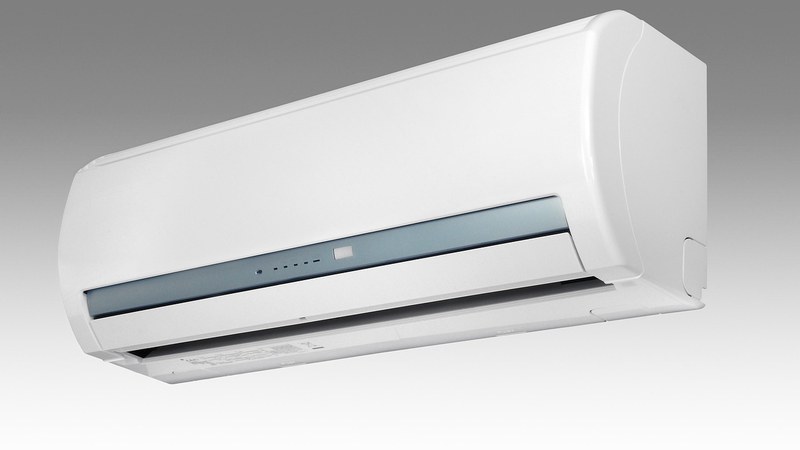
- Replace the filter on a written schedule; a date on the frame does the remembering.
- Twenty minutes in spring and fall catches most trouble while it is still cheap.
- Refrigerant, gas, and panel wiring belong to a licensed technician, full stop.
The upstairs bedrooms never quite cool. The system runs from noon until midnight, the thermostat reads 72, and the hallway thermometer says 79. The return filter is gray and matted, and nobody can remember changing it. Nothing failed that July afternoon; a year of skipped ten-minute jobs arrived at once.
Heating and cooling upkeep is small, repetitive work, and that is the point. Expensive failures usually begin as cheap parts nobody checked, and twenty minutes twice a year prevents most of them. This guide covers filters, seasonal checks, vents, thermostat settings, efficiency habits, and the moment to call a licensed technician.
Start with the filter, because it sets the workload for everything else
The filter keeps dust, pet hair, and lint out of the blower and the indoor coil. When it loads up, airflow drops, the blower strains, the coil runs at the wrong temperature, and the rooms at the end of the duct run lose comfort first. Check it monthly. Two shedding dogs or an ongoing renovation may mean a new filter every month; one quiet cat and closed windows may stretch to 60 or 90 days. Hold the filter up to a light: if none comes through, replace it.
Write the install date on the cardboard edge, and check the arrow, which points toward the blower or air handler. Some homes filter at a return grille, some at the air handler, and a few at both, so locate every one.
Resist the highest filtration rating on the shelf. A MERV 13 filter catches finer particles than a MERV 8 but also resists airflow, and a system built for a basic filter can lose capacity behind a dense one. Middle-range pleated filters suit most homes; ask a technician before going finer for allergies.
The spring and fall walk-around
Twice a year, on a mild afternoon, spend twenty minutes walking the system with your eyes and ears. Spring is about cooling and fall is about heat, and both checks belong before the equipment is needed.
Spring, before cooling. Turn the thermostat off and pull the disconnect at the outdoor unit. Clear leaves, grass clippings, and fluff from the condenser. Rinse the fins gently with a garden hose, never a pressure washer, and straighten bent fins with a fin comb. Two feet of clear space on every side matters more than a tidy garden; shrubs and stacked firewood choke the airflow that lets the unit shed heat.
Inside, pour a cup of water or white vinegar through the condensate drain tee, the plastic pipe that carries water away from the indoor coil. If the pan holds standing water or you see stains beneath the air handler, call a technician.
Fall, before heating. Change the filter, then run the furnace or heat pump on a mild afternoon. A dusty smell on the first run fades; a burning or acrid smell that lingers means shutting the system off and calling a professional. If the furnace has a viewing window, a steady blue flame is normal, and a yellow or lifting flame is a reason to call, not to adjust anything yourself. Test the smoke and carbon monoxide detectors and replace their batteries.
In winter, keep snow and ice off the outdoor unit and never wrap a running heat pump. A boiler's annual service belongs to a technician; your share is keeping the area clear and watching for leaks.
Vents, returns, and the airflow you can see
Walk through the house and look at every supply register and return grille. Dust on the face means it needs a wipe, so vacuum the openings and clean the slats with a damp cloth. Then look at what sits in front of them: a sofa against a return or a rug across a floor register starves part of the house. Older homes often have one hallway return and none in the bedrooms; a gap under the door, or leaving it open a few inches, is a cheap fix.
Closing vents in unused rooms usually backfires. The blower still moves the same air, so blocked outlets raise duct pressure, push air through attic leaks, and change how the coil runs. Use the schedule and closed doors instead.
Ductwork in an attic or crawlspace deserves a look from wherever you can stand safely. Disconnected joints, sagging flex duct, and dark dust lines at the seams point to leakage. Seal accessible metal joints with mastic or foil tape, but never seal anything connected to a flue. If the upstairs stays far off the setting, ask for a duct assessment.
Thermostat settings and the habits around them
A thermostat is a switch with a schedule, not a throttle. Setting it to 62 in summer does not cool the house faster; it keeps the system running longer after the target is reached, and a coil that never rests can freeze. A workable starting point is 78 in summer while people are home, a few degrees higher when the house is empty, and around 68 in winter, lower at night.
Heat pumps need patience. They move heat rather than generate it, so a large setback takes a long time to recover, and the backup heat used during recovery is expensive.
On the fan setting, "auto" runs the blower only with heating or cooling. "On" circulates air continuously, which evens out temperatures and keeps filtration working, but it uses electricity and can pull moisture back into the house after a cooling cycle in humid weather.
Check where the thermostat hangs; direct sun, a lamp, a television, or a supply register blowing on the wall will fool the sensor. Small habits add up: close blinds on the sunny side in summer, run ceiling fans only in occupied rooms, weatherstrip doors that whistle, and keep the dryer lint trap clean.
Maintenance that lives only in memory gets postponed. The generator turns your household size and available minutes into a weekday plan, and one slot can hold an HVAC touchpoint: vacuum a return grille, wipe a supply register, or check the date on the filter frame. Put the filter change on the family calendar beside the dentist appointment.
| Filter type | What it catches | Check and replace | Watch out for |
|---|---|---|---|
| Basic fiberglass | Lint, large dust, hair | Monthly check; replace about every 30 days | Protects the blower, not the coil. |
| Pleated MERV 8 to 11 | Pollen, dust, pet dander, some smoke | Monthly check; replace every 60 to 90 days | The usual balance of filtration and airflow. |
| High-MERV 13 and up | Fine particles and smoke | Monthly check; replace on the maker's schedule | Can restrict airflow in a basic system. |
| Washable or reusable | Larger dust and hair | Rinse monthly; dry fully before reinstalling | A damp filter grows mildew. |
Most heating and cooling breakdowns are not sudden events. They are a season of small, cheap jobs that never got done.
Where the do-it-yourself line sits
You own the filter, the grilles, the clear space around the outdoor unit, the thermostat schedule, and the garden hose. Everything behind a metal panel belongs to a licensed technician, because refrigerant pressure, gas piping, and stored electrical charge can hurt a careful adult quickly.
Refrigerant. The cooling loop is sealed. If it is low, there is a leak, and adding refrigerant without repairing the leak is a patch that keeps costing money. Refrigerant escapes as a cold gas, can cause frostbite, and displaces air in enclosed spaces; handling it requires certification and recovery equipment. Ice on the indoor coil or the large copper line, hissing at the connections, oily residue on the line set, or warm air from a system with a clean filter all mean it is time to call.
Gas. If you smell rotten eggs, leave the building. Do not flip switches, unplug anything, or use a phone until you are outside and away from the door, then call the gas utility or emergency services. Do not relight a failing pilot or repair a gas line yourself. A cracked heat exchanger can push carbon monoxide into living space; if a CO alarm sounds, get everyone out and call for help.
Electrical. Do not open the panels on the furnace or air handler. Capacitors can hold a charge after the power is off, and a loose wire can turn a filter change into an emergency. Smelling burning plastic, seeing scorch marks, or having a breaker trip more than once means turning the system off at the thermostat and breaker if safe, then calling a professional.
Other signals earn a service call: water pooling around the indoor unit, banging or grinding, a blower with almost no airflow, short cycling, or a musty smell that cleaning does not fix. Ask for a licensed, insured contractor and a written estimate, and keep the paperwork, since many warranties require documented annual service. One tune-up a year covers the charge, coils, electrical connections, safety controls, and combustion testing; on a system twelve to fifteen years old facing a major repair, ask for the repair cost, remaining life, and a second estimate.
Hvac Maintenance Basics FAQ
How often should I change the air filter?
Check monthly and replace it when light no longer passes through. Most homes land between 30 and 90 days, with pets, smoke, open windows, and remodeling pushing toward the shorter end.
Can closing vents in unused rooms lower my bill?
Rarely, and it often creates problems. Blocked outlets raise pressure in the ducts, can push air through leaks, and change how the coil runs. Close the door and adjust the schedule instead.
Should the outdoor unit be covered in winter?
Only if the system is off for the season, and only with a breathable cover. A heat pump runs all winter and should never be wrapped while it works.
Is adding refrigerant a do-it-yourself job?
No. The system is sealed, so low charge means a leak that must be found and repaired, and the refrigerant requires certification and recovery equipment. Ice on the lines or warm air while the system runs are reasons to call.
Pick one thing from this guide and do it this week: write the date on the filter, clear the leaves off the outdoor unit, or set a thermostat schedule that matches your family's day. The work is small, cheap, and the difference between equipment that ages slowly and equipment that fails on the hottest afternoon of the year.
For more room-by-room upkeep, see our home systems and fixes guides, and build the weekly rhythm with the Cleaning Schedule Generator.
Daniel Reyes spent ten years in residential maintenance before moving into writing. He covers seasonal upkeep, cleaning systems, stain removal, and the repairs homeowners can safely handle themselves, with clear notes on when to stop and call a professional.