How to Clean a Bathroom Faster
Clean a bathroom faster with a top-to-bottom order, zones, dwell time, the right tools, and a daily wipe-down habit that prevents buildup at home.

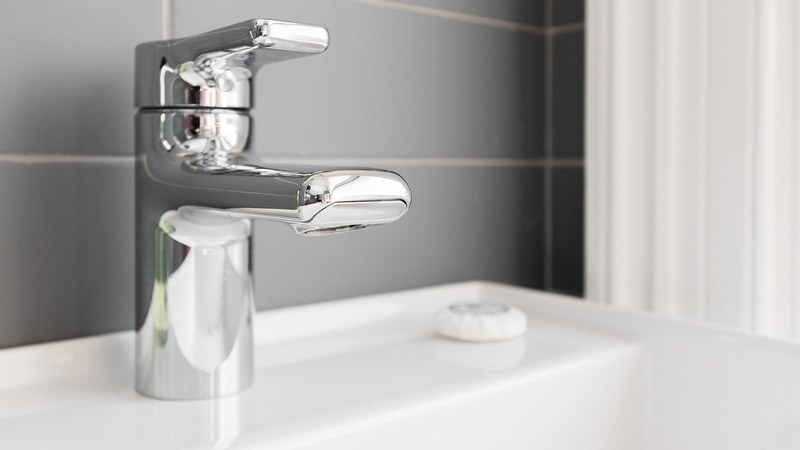
- Speed comes from sequence, not strength. Spray the slow-acting products first, then clean something else while they work.
- Work top to bottom and finish on the floor, so dust and drips never land on a surface you already cleaned.
- A two-minute wipe after the last shower prevents more work than a monthly scrubbing marathon.
Ten minutes into a bathroom clean, the mirror is streaked again. It was sprayed first because it sits at eye level, then the shower steamed the room, and now the glass needs a second pass. The cloth left lint, the floor is wet, and the job feels longer than it should.
Time is rarely lost to hard scrubbing. It goes to rework: cleaning a surface before dust settles, scrubbing a product that needed minutes to soften soap scum, walking back across a wet floor for a forgotten cloth.
Order, dwell time, and one caddy fix most of that. This guide covers a top-to-bottom sequence, three zones, the tools worth keeping, and the line between a daily wipe and a deep clean. Used regularly, it becomes a fifteen-minute task.
Why bathroom cleaning takes longer than it should
The first delay is rework. Clean the mirror before the shower traffic and steam undoes it. Clean the floor before emptying the toilet brush and the floor is dirty again. Wipe the counter before shaking out the bath mat and a fresh layer of grit lands on it. Each mistake costs only a moment, but together they turn a short job into a loop.
The second is impatience. A cleaner labeled for a few minutes of contact time does most of its work while you stand elsewhere. Scrub immediately and you use your arm instead of the chemistry, then scrub again when the film remains. Waiting is part of the method, as long as the surface stays wet and you follow the label.
The third is attention spread across low-value surfaces. The high-touch list is short: faucet handles, light switch, flush lever, door knob, shower controls. Those deserve the first pass; the decorative shelf does not make the room cleaner.
Fast cleaning is a plan, not a burst of energy. One caddy, a fixed order, and gravity pulling debris toward the floor you clean last.
Top to bottom, dry before wet
Order is the biggest time saver in a bathroom. A practical sequence for one person:
1. Ventilate, clear, and start the slow products. Turn on the fan or open a window, move towels and the bath mat out, clear the tub edge, and set the caddy by the door. Spray the tub and shower walls, apply bowl cleaner under the rim, close the lid, and leave both to work.
2. Dust high surfaces. Use a dry microfiber cloth on the mirror frame, light fixture, shelf, and tank lid. Dry first prevents wet dust from becoming paste. Do not climb on the tub, toilet, or a chair to reach a high ledge.
3. Clean the glass, then the vanity from back to front. After the steam settles, spray the mirror, wipe, and buff dry; squeegee the shower glass. Wipe the counter, sides, front edge, faucet and handles, basin, and drain area. Cup your hand around the faucet base where toothpaste collects.
4. Do the toilet outside, then inside. Move from the tank lid and flush handle down to the hinges, rim, and base, using a cloth reserved for the toilet. Scrub the bowl after its dwell time, flush with the lid closed, and rinse the brush.
5. Return to the tub and shower. Scrub top to bottom, rinse, and check the grout line and corners. A second short dwell beats harder scrubbing.
6. Clean the floor last. Start in the far corner and work toward the door, including behind the door and around the toilet base. Dry the floor and leave the fan running.
Three zones, one route
Thinking in zones keeps you from crisscrossing a room barely wide enough to turn around in. The wet zone is the tub, shower walls, glass, and shower floor. The toilet zone is the fixture and the floor around it. The vanity zone is the counter, sink, faucet, mirror, and cabinet front.
With one cleaner, the zones follow the sequence above: start the wet zone and the bowl, clean the vanity during the wait, then finish the wet zone, the toilet exterior, and the floor. Two people can split zones only if the room has space; one person moving in order is faster.
Enter with the caddy, set it by the door, and finish at the exit by wiping the light switch and door handle, two touchpoints that hands meet but schedules forget.
Children can help with age-appropriate jobs. A preschooler can carry towels or wipe the cabinet front with a water-dampened cloth. A school-age child can clean the mirror with supervision. Adults handle bowl cleaner, drain products, ladders, and labeled sprays, and the room stays ventilated whenever chemicals are in use.
Let dwell time and the right tools do the scrubbing
Dwell time is the minutes a product spends in contact with a surface before you wipe or rinse. It is the engine of a fast clean. Read the label, apply enough to keep the surface wet, and set a timer if you forget. A product that dries before its time stops working, and you scrub twice as hard for half the result.
Use the wait. Spray the shower and the bowl, then clean the mirror, vanity, and sink. By the time you return, the soap film has loosened and the bowl needs a light brush. If the room is badly behind, apply a second round to one stubborn area and rotate through the zones again.
The tool list can stay short: microfiber cloths in two or three colors, a squeegee, a long-handled scrub brush, a grout brush, a toilet brush, and a caddy. Mix cleaner at the label's dilution if the product allows it. Everything goes back in the caddy so the next clean starts in seconds.
Not every tool earns its space. Disposable wipes are fine for a touch-up but weak on soap scum. Abrasive pads can dull glossy fixtures and etched glass; test them on a hidden spot. A steam cleaner can help on some surfaces and damage others, so check the manufacturer's guidance for the finish.
Safety belongs with speed. Never mix bleach with ammonia or with an acid cleaner such as vinegar or a descaler; the fumes can be dangerous. Do not combine bleach with hydrogen peroxide. Use one product at a time, rinse between products when directed, ventilate, wear gloves when the label says to, and keep children and pets out while sprays are wet. Store cleaners in original labeled containers, locked or high, and never keep a mixture in an unlabeled bottle.
Daily wipes, weekly passes, and the deep clean
A bathroom stays quick to clean because of maintenance, not a better scrub. The daily routine takes a minute or two: squeegee the shower after the last use, wipe the sink and faucet, hang towels to dry, and close the lid before flushing. It prevents the film and moisture that turn a weekly pass into a deep clean.
The weekly pass is the sequence above, ten to twenty minutes for a maintained bathroom. It covers the toilet, sink, mirror, tub, shower, floor, and door touchpoints, mostly as inspection and light wiping.
The deep clean is a reset, not a standard. It covers grout, the shower head and its soak, the drain cover, the curtain or liner per its care label, the exhaust fan cover, baseboards, cabinet fronts, and the space behind the toilet. Rotate one or two tasks per week instead of saving them for a long session nobody repeats. If mold returns soon after cleaning, dampness persists, or a musty smell does not clear, stop treating the surface and have the ventilation and any possible leak checked by a professional.
The generator builds a weekday plan from household size and available minutes, with a weekend reset. Enter the people and the time you can actually spare, then give the bathroom a fixed slot. Add the deep-clean rotation by hand, one item at a time, and move a task when the week goes sideways.
| Level | Daily wipe | Weekly pass | Deep clean |
|---|---|---|---|
| Time | 1–3 minutes | 10–20 minutes | 45–90 minutes, or split into short blocks |
| What it covers | Squeegee, sink and faucet, towels, lid closed | Toilet, sink, mirror, tub, shower, floor, touchpoints | Grout, shower head, drain cover, fan, baseboards, curtain, behind toilet |
| Tools | Squeegee, one cloth | Full caddy | Full caddy plus brushes and soak containers |
| What happens if skipped | Weekly pass takes longer | Soap scum and grime build up | Hard-water and grout problems settle in |
How To Clean A Bathroom Faster FAQ
How often should a bathroom be cleaned?
A quick daily wipe, a weekly top-to-bottom pass, and a rotating deep clean every few weeks suit most homes. If mold keeps returning, dampness persists, or a musty smell does not clear, have the ventilation and any possible leak checked by a professional.
Is it safe to combine bathroom cleaners?
No. Mixing bleach with ammonia or an acid cleaner, including vinegar and many descalers, can create dangerous fumes. Use one product at a time, rinse between products when directed, and ventilate. If fumes cause coughing, eye irritation, or trouble breathing, leave the area, get fresh air, and contact local poison control or emergency services if symptoms persist.
Can children help clean the bathroom?
Yes, with age-appropriate jobs. Young children can carry towels, wipe low surfaces with plain water, and put items away. Older kids can clean the mirror or sink with supervision. Adults should handle bowl cleaner, drain products, strong sprays, and anything that requires climbing, and keep the room ventilated.
Do I need special tools to clean faster?
Not many. Microfiber cloths in separate colors, a squeegee, a long-handled brush, a grout brush, and a caddy cover most bathrooms. A steam cleaner or abrasive pad can help on some surfaces and damage others, so check the manufacturer's guidance first.
Choose one change for this week: start the slow products first and use the wait to clean the vanity. Then add the daily squeegee, which keeps the weekly pass short. For more routines that keep a home running without stealing the weekend, browse our home systems and fixes guides, and use the Cleaning Schedule Generator to give the bathroom a dependable slot in the week.
Daniel Reyes spent ten years in residential maintenance before moving into writing. He covers seasonal upkeep, cleaning systems, stain removal, and the repairs homeowners can safely handle themselves, with clear notes on when to stop and call a professional.