How to Remove Common Household Stains
Remove common household stains from coffee, oil, blood, ink, wine, and grass. First actions, fabric limits, and when to call a professional.

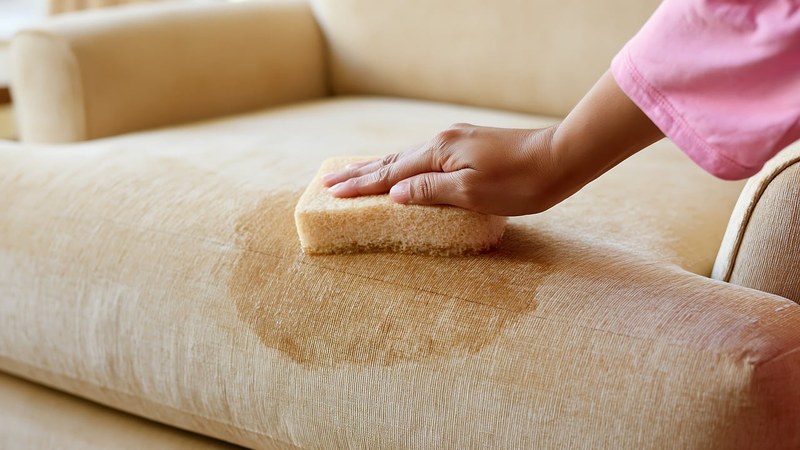
- Blot, do not rub, and work from the outer edge inward; friction pushes pigment deeper and fuzzes fibers.
- Start cool. Heat sets blood and many dyes, so keep the iron and dryer away until the mark is gone.
- Patch test in a hidden spot and read the product label. Mixed cleaners can be worse than the spill.
At a birthday dinner, red wine tips onto a pale dining chair. The host scrubs in circles, then presses a hot, wet cloth on the mark. By morning the wine is a gray shadow and the fabric is fuzzy. The wine was ordinary; the response was the problem.
Household stains fall into a few chemical families: tannins from coffee, tea, and wine, oils and grease, proteins such as blood and milk, and pigments from ink and grass. Each needs a different method, and each fabric or surface adds rules. Sorting by chemistry and material beats buying a bottle for every mishap.
This guide covers the first five minutes, then each family in turn, with upholstery codes, stone and paint limits, and the point where a professional earns the fee. Most fixes need only cool water, a white cloth, dish soap, and patience.
The first five minutes decide the stain
A strong product cannot undo an hour of rubbing. A fresh stain sits near the fiber surface where a cloth can lift it; rubbing pushes pigment deeper and roughs the weave. Press, lift, and turn the cloth to a clean spot instead.
Remove solids first with a spoon or the edge of a card, scraping toward the center and wiping the tool on paper towel. Then blot the liquid underneath.
Blot from the outside edge toward the middle. Liquid carries pigment outward, and the ring you see later is pigment drying at the boundary. Finish with a dry white towel, since a colored one can transfer dye.
Temperature comes next. Cool or lukewarm water handles most spills; hot water can set proteins and bleed dyes. Warm water is for grease on washable fabric whose label allows it. Start cool, because heat cannot be taken back out.
Keep heat away until the mark is gone. An iron or dryer bakes in whatever remains, and a faint wet stain can return as a brown ring. Air-dry, check in daylight, and repeat if a shadow stays.
Water volume matters on anything that cannot go in a machine. Extra water pushes the stain into padding, where it wicks back as a ring. Use a damp cloth, blot with dry towels, and aim a fan at the spot.
Read the fabric label and finish first
Two labels come before any bottle: the care tag and the product instructions. The tag decides water, temperature, and whether the item can be soaked. Dry clean only is an instruction; water can shrink wool, distort rayon, and bleed silk, so blot and take those items in.
Upholstery hides its tag under the seat cushion. Furniture carries one of four codes: W for water-based cleaners, S for solvent only, WS for either, and X for vacuum only. A sofa marked S treated with soap and water can water-stain or shrink.
Surfaces have rules too. Sealed granite tolerates mild dish soap; marble and limestone do not tolerate vinegar, lemon, or other acids, which etch the polish. Wood clouds when soaked, matte paint burnishes when scrubbed, and leather and suede need a specialist, not a sponge.
Patch test in a hidden spot: an inside hem, the back of a cushion, a corner behind a plant. Apply a drop with a white cloth, wait the dwell time, and check for color, texture, and dye on the cloth. Test diluted and full strength.
Follow the label: dilution, dwell time, ventilation, gloves. Never mix bleach with ammonia or acidic cleaners; the result is a gas no family kitchen wants. Store products closed, in original containers, out of reach of children. Oxygen and chlorine bleach are not interchangeable.
Coffee, tea, and wine
Tannins give coffee, tea, and wine their color and bond to fibers; heat helps them stay. A coffee stain washed hot and dried warm can become a permanent tan shadow. Rinse cool first.
Coffee and black tea on washable cotton: blot, flush the back with cool water, work in a drop of dish soap, wait five minutes, rinse, and air-dry. Coffee with milk adds protein, so an enzyme laundry detergent helps. Check the label on wool or silk.
Red wine on a chair or carpet: blot, do not scrub. Apply cool water and a little dish soap, then blot dry. Club soda is mostly water and does the same job. Salt absorbs fresh wine but abrades fibers when rubbed, so pile it on and vacuum.
A white tablecloth can soak in diluted oxygen bleach per its label, usually 30 to 60 minutes, then be laundered. Test colors first. Chlorine bleach can yellow synthetics and damage wool and silk.
Skip vinegar on painted drywall and sealed stone. It helps on colorfast cotton, but etches marble and limestone and can dull finishes. Blot a painted wall with a damp cloth and mild dish soap, then dry quickly; scrubbing matte paint leaves a mark that outlasts the stain.
Oil, grease, and ink
Oil and water do not mix, so a wet cloth smears grease instead of lifting it. Dish soap has one end that grabs oil and one that grabs water. Apply a drop to the dry fabric, work it in, wait five minutes, and rinse with the warmest water the label allows.
On carpet, absorb first: cornstarch or baking soda for 15 to 20 minutes, then vacuum. Apply dish soap solution, blot, and rinse with clear water; residue attracts dirt and turns the spot gray. On a painted wall, use mild soap, a soft sponge, and a patch test.
Ink comes in kinds, so identify it first. Ballpoint is oil-based, and rubbing alcohol is the usual solvent. Lay the fabric face down on white cloth, dab the back with alcohol, and let the ink transfer below. Test acetate and some synthetics, which alcohol can soften.
Hairspray works the same way but leaves a sticky film. Permanent marker resists a full lift on porous surfaces, though repeated alcohol blotting fades it on hard materials. On painted walls alcohol can remove paint, so test first. A melamine sponge helps on tile but dulls matte paint.
Printer toner is dry powder, and water makes it worse. Vacuum with a brush attachment, then wipe dry; toner in fabric usually needs dry cleaning. Solvents are flammable, so ventilate, keep flames away, wear gloves, and store bottles away from children.
Stains are accidents, but the surfaces they land on can be managed on a schedule. A weekly pass over upholstery, rugs, and the kitchen wall finds marks while they are still fresh.
Set household size, weekday time, and whether the weekend includes a deeper clean; the generator returns a Monday-to-Friday list and a weekend reset. Add a sofa and dining-chair check to one weekday so the stain kit gets used early. Keep cloths, dish soap, alcohol, oxygen bleach, and enzyme detergent in a caddy.
Blood, grass, and the professional line
Blood is protein, and heat is its ally: hot water coagulates it and locks color in. Flush a fresh spot from the back with cold water, work in a little soap, and rinse. For a dried stain, soak cool with enzyme detergent for about 30 minutes, then launder cool.
Hydrogen peroxide at 3 percent can lift blood from white, colorfast cotton, but it can bleach color, so test it and keep it off wool and silk. On a mattress, use minimal water: blot with a cold damp cloth, apply enzyme cleaner, wait per the label, blot dry, and fan. If the blood is another person's, wear gloves.
Grass combines plant pigment with proteins and oils. Start with cool water and enzyme detergent. For a stubborn green mark on washable fabric, dab isopropyl alcohol on a white cloth and blot. On white cotton sports kit, oxygen bleach per the label can finish it. Hot water and chlorine bleach are the usual mistakes.
| Stain | First move | Main cleaner | Avoid | Call a pro when |
|---|---|---|---|---|
| Coffee or tea | Blot, flush back | Dish soap, cool water | Hot water | Dry-clean-only fabric |
| Red wine | Blot, do not scrub | Cool water, dish soap | Salt rubbed in | Large carpet area |
| Cooking oil | Absorb with cornstarch | Dish soap, warm water | Wet cloth on grease | Oil in upholstery padding |
| Ballpoint ink | Dab from the back | Rubbing alcohol | Rubbing, hot water | Dry-clean-only garment |
| Blood | Cold flush from the back | Enzyme detergent | Hot water, iron | Another person's blood |
| Grass | Brush off loose soil | Enzyme detergent | Chlorine bleach | Silk, wool, or a returning mark |
Some stains belong to a professional. Dry-clean-only garments, silk, wool, suede, leather, beaded pieces, and antique rugs are past home methods, because water alone can ruin them. So is any carpet or upholstery area larger than a dinner plate, an unknown stone finish, a stain that survived two careful tries, smoke damage, mold, and deep soil. Ask about method, drying time, and what happens if the mark remains.
A stain is a chemistry problem on a surface with a label. Read the label first, then choose the chemistry.
How To Remove Common Household Stains FAQ
Does hot water clean stains better?
Not usually. Cool or lukewarm water is safer because heat sets proteins and some dyes. Use warm water only for grease on washable fabric whose label allows it, and keep the iron and dryer away until the mark is gone.
Is club soda or salt the right first move for red wine?
Blot first. Club soda is mostly water, and ground-in salt abrades fibers. Cool water with a little dish soap, blotted dry, handles most fresh spills. On white cotton, follow with oxygen bleach, testing first.
Can I use bleach on any white fabric?
No. Chlorine bleach can yellow synthetics and damage wool and silk, and it must never be mixed with ammonia or acids. Oxygen bleach is gentler but still needs a label check and a patch test. Dry-clean-only items go to a professional.
When should I stop and call a professional cleaner?
After two careful attempts, or sooner for silk, wool, leather, suede, beaded pieces, and antique rugs. Also call for large carpet or upholstery areas, unknown stone finishes, smoke or water damage, mold, and large blood stains.
Before the next spill, assemble the kit where an adult can reach it: white cloths, dish soap, rubbing alcohol, oxygen bleach, enzyme detergent, and cool water in a spray bottle. Read the sofa and chair tags once, and note the cleaning codes inside a cabinet door. The next mishap becomes a five-minute job.
For more routines that keep a house ahead of its messes, browse our Home Systems & Fixes guides, and use the Cleaning Schedule Generator to give every surface a regular pass.
Daniel Reyes spent ten years in residential maintenance before moving into writing. He covers seasonal upkeep, cleaning systems, stain removal, and the repairs homeowners can safely handle themselves, with clear notes on when to stop and call a professional.