Entryway Organization System
Entryway organization system: traffic flow, shoes, bags, keys, mail, weather gear, and small-space or rental-friendly setups. A one-week reset.

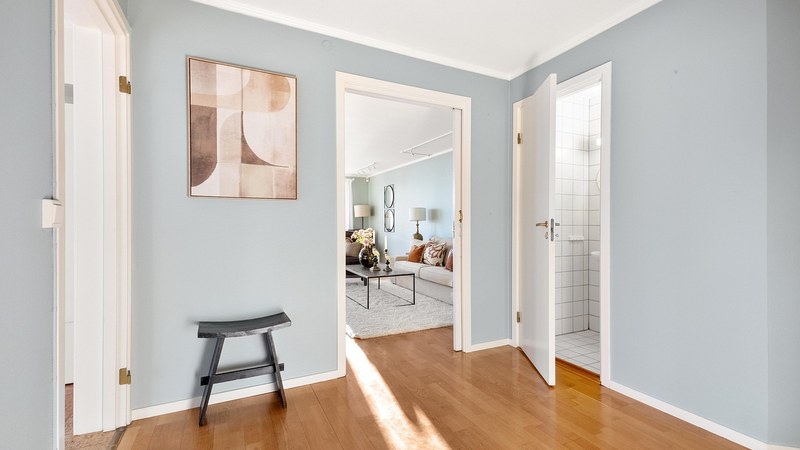
- Watch where shoes, bags, and keys land for three days before buying anything.
- Give shoes, bags, keys, mail, and weather gear one home each, with a hard limit on how much that home can hold.
- Ten minutes a week on the floor and the mail tray is the whole system; the furniture is optional.
A hall tree with six hooks, a bench, and a woven basket can look perfect in a photo and still fail by Thursday. The bench collects mail, the basket holds one glove, and shoes pile up because the hooks sit behind the door.
An entryway is a transfer station, not a storage room. Each crossing brings shoes, a bag, keys, paper, and weather gear. Any object without a landing spot chooses the nearest flat surface instead.
This entryway organization system is about traffic, not decor. You will watch how the household uses the door, give each category a fixed home and capacity, adapt the plan for a narrow hall or rental, and keep it clear with a short weekly routine.
Why entryways turn into piles
Most entryways do not fail because the family is disorganized. They fail because the storage is smaller than the life passing through it. A six-pair rack is generous for one person and cramped for two adults and two children in winter.
Position is the second failure. Shoes come off a step or two inside the door while the rack sits at the far end of the hall. Four feet of effort at the end of a long day is enough to leave them where they were kicked off. Storage works where the hand releases the object, not where the wall looks balanced.
Open storage without a limit is the third. A bench with space underneath invites anything that fits: out-of-season boots, delivery boxes, the leash, bags of returns. The bench is not broken; it has no rule about how much it may hold.
A bigger basket rarely fixes any of this; it moves the pile into a more expensive container. Ask instead where each item leaves the body, how many belong by the door, and what happens when the limit is reached.
Map the path before you shop
Spend three ordinary days noticing, without changing anything. Where do the keys land? Where do the children drop their backpacks? Does the mail go to the counter, the table, or the floor? You are looking for the real path, not the one you wish the household followed.
Most routines happen in a fixed order: door opens, bag comes off, coat comes off, shoes come off, then keys and paper go down. Each step needs a target within arm's reach. If the mail tray is across the room, paper stops at the first clear counter.
Put the shoe solution where the shoes come off, even if that is the mat rather than the wall. Put hooks where a bag slides off a shoulder, just inside the door. Put the key tray at the height of the shortest adult who drives, and the mail tray between the door and the kitchen.
Test the layout with your hands full. Carry groceries in each hand and a backpack over one shoulder, then open the door and reach your keys without stepping over anything. In a narrow hall, measure the clear width left by any cabinet; it must fit the widest thing that passes through, such as a stroller or laundry basket.
One home for each thing you carry
Shoes. Set a daily limit per person: one pair in rotation plus boots in wet weather. Everything else goes to a bedroom closet or a lidded bin elsewhere. A tray with a raised lip catches grit and melted snow and defines the boundary. If floor space is tight, use shallow under-bench bins or over-door pockets and keep daily pairs visible.
Bags. One hook per person at their own height, rated for a loaded backpack. Keep hooks just inside the door and away from the swing, and never stack two heavy bags on one hook.
Keys. One bowl, tray, or hook for everyone. If the door has glass, keep keys out of sight from the street. Put the hook inside a closed cabinet or use a lidded box on a shelf.
Mail. Use one tray with a depth limit, not a filing system. Open envelopes standing at the tray, separate action from archive, and give paper a two-day maximum stay. Anything needing a signature or payment goes to a folder that travels to the kitchen; the rest is recycled or filed. When it is full, process it rather than add a second tray.
Weather gear. A boot tray, an umbrella stand with a weighted base, a basket for gloves and hats, and a hook for the leash. Wet items need air, so avoid closed bins for damp shoes and coats. Swap seasonal gear on a fixed spring and fall date, storing the spare items in a labeled bin away from the door.
All five categories follow one rule: one in, one out. A new pair replaces an old pair, a new bag replaces one on the hook, and new paper means old paper is processed. This keeps the entry from filling with the family's entire inventory.
Small entryways and rental walls
A three-foot-wide apartment entry with no closet can work with vertical storage and shallow depth. Look for cabinets eight to ten inches deep, wall rails with a shelf above, and over-door pockets. Use the wall from floor to ceiling and keep the floor empty.
Over-door hooks are the workhorse of rental entries, provided you check door clearance first. A hook that stops the door from opening fully, or scrapes the frame, will be removed within a week. Test the swing with the hook in place and choose one that fits the door thickness.
Adhesive strips suit keys, leashes, and small bags, but they have weight limits and dislike humidity. Follow the package limit, apply them to a clean, dry surface, and test one in a hidden spot. Heavy backpacks belong on over-door hooks or freestanding furniture.
Freestanding pieces are the other rental option: a bench with a lift-up seat, a slim shoe cabinet, or a leaning shelf. Any tall, narrow piece near a door should be secured to the wall, for climbing children and adults who grab it for balance. If drilling is not allowed, choose a lower, wider piece that does not need anchoring.
If the entry has a closet, a tension rod or added shelf can double the hanging space without tools. Add a low rod for children's coats and a high rod for adults. The closet does the heavy lifting, and the visible entry stays calm.
| Setup | Freestanding bench and bins | Wall rail and shelves | No-drill over-door kit |
|---|---|---|---|
| Install time | 15 minutes | 1–2 hours | 10 minutes |
| Drilling required | No | Yes, usually | No |
| Floor depth used | 12–16 inches | None | None |
| Realistic capacity | Medium, plus a seat | High with tall walls | Low to medium |
| Best for | Rentals and wide halls | Owned homes with wall space | Narrow entries and apartments |
An entryway is a transfer station, not a warehouse. Every item should be on its way in or on its way out.
Maintenance is easier when it attaches to a routine you already run. The cleaning schedule generator below builds a weekday plan and a weekend reset from your household size and available time. Use it to reserve a two-minute entry sweep and a weekly shoe-and-mail clear-out.
The ten-minute weekly reset
Once a week, set a timer for ten minutes and work from the floor up. Return every shoe to the tray, hang bags that missed their hooks, empty the mail tray into action, archive, or recycling, and wipe the bench. Ten minutes is enough because the system is small by design.
Once a month, vacuum the boot tray, wash the drip mat, check hooks and anchors for looseness, and rotate seasonal gear. This is also the moment to test the capacity rule. If the tray overflows two weeks in a row, the limit was too high; remove items rather than add storage.
Give each person one job they own. A young child can line up their shoes, an older child can carry recycling from the mail tray, and an adult can check the key hook before bed. A system that depends on one adult will collapse on the first busy week.
Drift is normal, especially during school terms and holidays. When the entry becomes a pile again, do not buy a new organizer. Clear one surface, remove what does not belong to this week, and return the five categories to their homes. Keep safety in view: do not stack heavy bins above shoulder height in a walkway, do not hang a loaded bag on a coat hook, and do not improvise around damaged wiring or a loose door frame. Call a qualified tradesperson for those repairs.
Entryway Organization FAQ
Our entry has no closet. What do we do with coats?
Use an over-door rack for the coats worn this week, one per person, and store the rest in a bedroom closet. If the door is narrow or has glass, a wall rail inside the entry works better. Rotate coats seasonally so the rack holds four or five items.
How do we handle wet boots and snowy weather?
Use a boot tray with a raised lip and a washable mat. Let wet shoes and gloves air out rather than putting them in a closed bin. Empty and rinse the tray weekly during wet months, and keep the lane clear.
Will adhesive hooks damage a rental wall?
They can pull paint or leave residue. Stay within the weight limit, avoid humid spots, and test one strip in a hidden area. Remove them slowly and follow the package directions. For heavy bags, use over-door hooks or freestanding furniture.
Where should keys hang if the door has glass?
Out of sight from the street. Use a hook inside a closed cabinet, a lidded box on a shelf, or a tray set back from the window. Keep the spare with a trusted neighbor or in a secure lockbox, never under the mat.
Start tonight with one surface: empty it, wipe it, and put back only this week's items. Hang one hook or set one tray for keys, and put a ten-minute reset on the calendar. Use the cleaning schedule generator to make that reset part of the weekly plan.
For more systems that hold up through a busy household, browse our Home Systems & Fixes guides and open the Cleaning Schedule Generator.
Daniel Reyes spent ten years in residential maintenance before moving into writing. He covers seasonal upkeep, cleaning systems, stain removal, and the repairs homeowners can safely handle themselves, with clear notes on when to stop and call a professional.