Cooking Once and Eating Twice: Planned Leftovers
Cook once and eat twice with planned leftovers: base recipes, second-meal transformations, storage safety, and ways to avoid leftover fatigue.

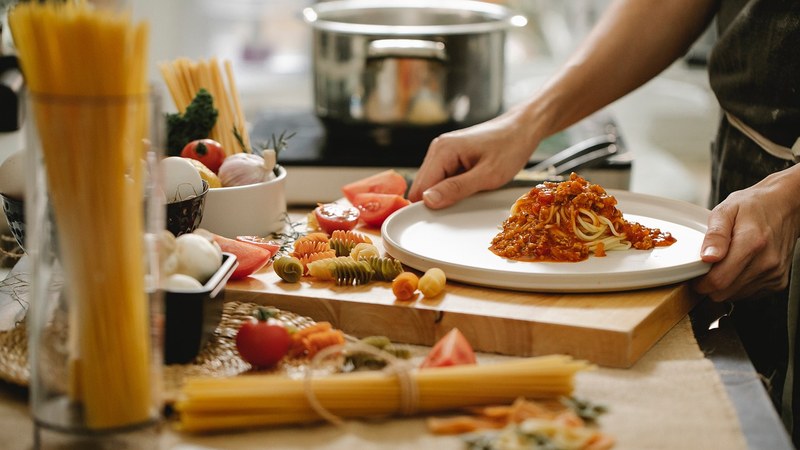
- A planned second meal starts with a base you cook once and deliberately divide, not with whatever is scraped off the plates.
- Pull the second portion before the sauce, dressing, or toppings go on, then cool it fast and label it with the dish it will become.
- Change the form of the second dinner — soup, bake, bowl, wrap — so the family is not served Tuesday again on Thursday.
A pot of chili large enough for Wednesday looks like a favor to your future self. Then Thursday arrives, the same chili returns, thicker and less welcome, and someone says, "Chili again?" The problem was never the batch size. Nobody decided what the second half was for before the first spoon went into the pot.
Planned leftovers work differently from the containers that pile up after a busy week. You cook a base once, on purpose, in a quantity that covers two dinners. You divide it before it reaches the table, store it with a second dish in mind, and reheat it into something that looks and tastes new. The family eats well twice while you cook once.
The difference between a rerun and a remix
The line between a good second meal and a sad repeat comes down to intention, and intention changes everything from how you season the base to how the family greets it on the second night.
Accidental leftovers happen after the meal. Food is served, plates come back half full, and the remainder is scraped into a container because throwing it away feels wrong. By the next day the texture has softened and nobody chooses that container when something else is available. It sits at the back of the fridge until it becomes a science project.
Planned leftovers happen before the meal. You cook a base with the second dish already named. The portion for Thursday is removed while it is at its best, cooled with care, and packed as an ingredient rather than a finished plate. On Thursday you turn it into something the family recognizes as new: a bake, a soup, a bowl with a different grain, a wrap with a fresh crunch.
Consider chicken thighs seasoned with just salt, pepper, and paprika. On night one they go to the table with rice and a green vegetable, and two or three are set aside before anything is carved. On night two they are shredded into a pot with stock, canned tomatoes, corn, and lime for a quick tortilla soup. Same chicken, different dish, and nobody feels like they are eating the same meal twice.
Choose bases that split cleanly into two meals
What makes a base worth cooking in double quantity? Four tests matter more than any recipe: it must survive a night in the fridge, accept a second set of flavors, cool quickly and safely, and work for your family in a new form. A base that only works plated exactly as it was on night one will not become a second dinner.
Roast chicken, chili, tomato sauce, roast vegetables, plain rice, and taco filling pass all four tests. They are forgiving, they combine with a fresh starch or new sauce, and they reheat well. Casseroles also work when the pasta is cooked slightly firm, so the second bake finishes the cooking instead of turning it to mush.
Some foods fail no matter how you store them. Fried food loses its crunch within hours, delicate fish turns dry in a second visit to the oven, and pasta already tossed in sauce reheats as a solid block. Tossed salads and anything with crisp lettuce should never be planned as a second meal.
| Base | First dinner | Second dinner | Fridge life |
|---|---|---|---|
| Roast chicken thighs | Chicken, rice, broccoli | Tortilla soup or chicken quesadillas | 3–4 days |
| Chili or bean stew | Bowl with toppings | Baked potato bar or chili mac | 3–4 days |
| Tomato sauce | Pasta with vegetables | Baked eggs or pizza toast | 4 days |
| Roast vegetables | Sheet-pan dinner with sausage | Frittata or grain bowl | 3–4 days |
| Plain rice | Rice with stir-fry | Fried rice with egg and peas | 3 days |
| Seasoned taco filling | Tacos with toppings | Stuffed peppers or nachos | 3–4 days |
Divide the batch before the first serving
The split happens before the base gets its final sauce, dressing, or topping. That one habit protects the texture of the second meal more than any container.
Sauce is the usual culprit. Roasted vegetables headed for a frittata should be pulled before you drizzle on the dressing you plan to serve on night one. Rice that will be fried later should be stored plain, because rice tossed in a wet sauce clumps in the pan. Chicken headed for soup should not be smothered in the gravy that belongs to the first dinner.
Cook one and a half times what your family eats, not double. For a family of four, that means roughly six servings: four for tonight, two for a smaller second meal or lunch. Double quantities often produce more than the week can absorb, and unused containers are exactly the waste you were trying to avoid.
Pack the second portion as an ingredient, not a plate. Use a shallow container that matches the meal you intend to build. Label it with the date and the plan: "Chicken for soup, Thursday." That label removes the daily decision at 6 p.m., when tired parents are least interested in inventing dinner.
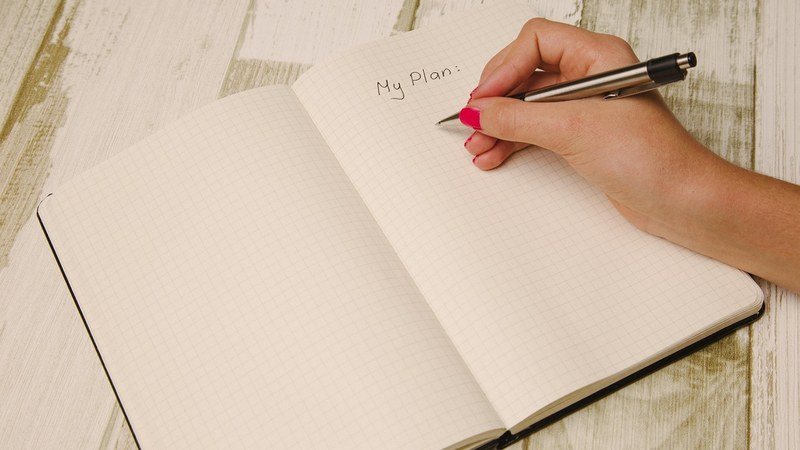
The generator builds a full week around your family size, your weeknight time limit, and any food preferences. Run it once, then mark two nights as remix nights that use a base you cooked earlier in the week. A plan that includes those second meals from the start is far easier to keep.
Cool and store the second half safely
The most common storage mistake is a warm pot with a lid on it, parked on the stove until bedtime. That is the habit to drop, because a large amount of food cools slowly in the middle, and that is where the trouble starts.
Move the second portion into shallow containers so the food is no more than about two inches deep. A wide container cools much faster than a tall pot. Leave the lid off until the steam stops rising, then seal it and refrigerate. Common food safety guidance sets two hours as the outer limit for cooked food at room temperature, so start the clock when the food comes off the heat, not when dinner ends.
Keep the refrigerator cold, at or below 40°F, and do not stack warm containers against each other. If you are storing several dishes, leave space between them so cold air can move. Most cooked dishes keep three to four days in the fridge. If the second meal will land later, freeze it on the day you cook.
Store components separately when they behave differently. Sauce, grains, and anything crunchy belong in their own containers, and roasted vegetables stay firmer when the dressing is added just before serving. Cooked rice needs quick cooling and should go into the fridge promptly, then be reheated only once. Label everything; a container without a date is a container nobody trusts.
Freezing is a useful backup. Portion the second meal into meal-sized bags, press them flat so they stack and thaw quickly, and write the dish and date on the outside. Thaw overnight in the fridge, not on the counter.
Reheat well and prevent leftover fatigue
The sigh usually comes before the lid is off. Leftover fatigue has less to do with flavor than repetition: the same texture, color, and smell, three nights running. The fix is not a new recipe but a fresh element and a different shape.
Reheat food until it is steaming hot throughout, stirring once so the middle is not cold while the edges bubble. A splash of stock revives rice and shredded meat, and a stovetop pan often works better than a microwave for anything that should stay separate. Reheat only what you plan to eat, and never reheat the same portion twice.
Then rebuild the meal around the base. Add a new starch, such as tortillas, potatoes, or noodles; crunch from cabbage, cucumber, or toasted seeds; acid from lime or vinegar; and something raw and green, even if it is just chopped parsley. Roast vegetables that felt tired on Wednesday become a frittata on Thursday with eggs and a hot pan. Chili becomes a baked potato bar when the toppings are fresh, and the same pot feels like a different meal.
Limit planned leftovers to about two dinners a week. More than that and the fridge starts to feel like a queue of obligations. Two remix nights save time without turning the menu into repeats. Let the family assemble their own bowls or wraps; a little control makes a second meal feel chosen rather than assigned.
Cooking once is a time-saving trick. Cooking once on purpose, with the second meal already named, is a dinner system.
Cooking Once Eating Twice FAQ
How long can the second meal stay in the fridge?
Most cooked dishes are best within three to four days. Write the date on the container, and freeze anything you will not reach by day three. If the food smells off or looks slimy, throw it out rather than tasting it.
Is it safe to reheat chicken and rice the next day?
Yes, when they were cooled quickly, refrigerated promptly, and reheated until steaming hot throughout. Reheat only what you will eat, and do not put the same food through a second cooling and reheating.
How do we keep the family from getting bored of the same base?
Change the format, not just the seasoning. A base served over rice on night one can become a soup, a wrap, or a stuffed vegetable on night two. Add a fresh starch, a crunchy topping, and an acid, and keep remix nights to two per week.
Can I freeze the second portion instead of refrigerating it?
Yes. Freeze it on the day you cook in a meal-sized container or flattened bag, and label it with the dish and date. Thaw overnight in the refrigerator and reheat once. Frozen portions are a good backup for weeks when the plan falls apart.
Start with one base this week. Pick a night when you already have twenty extra minutes, cook a little more than you need, and pull the second portion before the sauce goes on. Label it and put it on the calendar as a remix night. One planned second dinner proves the idea works.
For more weeknight ideas, browse our family meals guides, and use the Weekly Family Meal Plan Generator to sketch a week that includes both cook nights and remix nights.
Priya Patel is a recipe developer and meal-planning writer with a focus on weeknight dinners, school lunches, and grocery budgets that work for real families. She keeps ingredient lists short, uses equipment most kitchens already have, and writes for cooks who are short on time.