Quiet Time for Kids Who Stopped Napping
Quiet time for kids who stopped napping: a calm corner, a timer, and age-appropriate quiet activities for ages 3–8 and the whole household at home.


- Quiet time is rest, not sleep. A child who has dropped the nap still needs a predictable mid-day pause.
- A corner, a visual timer, and a small basket of quiet-only activities are the whole setup.
- The pause belongs to the whole house. A television in the next room will undo it.
At 1:30 on a Saturday, the four-year-old who gave up naps three weeks ago is running laps around the couch while the two-year-old finally sleeps. Every thump past the doorway stirs the younger one. By four o'clock everyone is crying about something small.
That family does not need a new activity plan. It needs a replacement for the nap: a scheduled pause that rests a child without sleep and gives the house an hour of lower volume. Quiet time is not a nap or screen time; the goal is less stimulation, not more.
This works for children roughly three to eight, where naps disappear but the need for a mid-day downshift does not. A three-year-old might manage fifteen minutes; a seven-year-old can handle forty-five. The corner, the timer, and the basket stay the same; only the length and contents change.
Why quiet time is not a failed nap
When a child stops falling asleep at nap time, most parents treat the nap as finished and fill the slot with errands or a tablet. If sleep is not happening, why keep the appointment? But the appointment was never only about sleep. It was a break in the day's input, and that need does not vanish because the falling-asleep part did.
A child who has spent the morning at school or in a busy house has taken in noise, instructions, and other people's moods for hours. A quiet stretch lets all of it settle. Without one, the slump arrives later and harder, usually around dinner, when the household needs the child most cooperative. Quiet time also teaches a child to be alone, a skill that builds slowly.
Quiet time is not a nap that failed. It is a different part of the day with a different job: lower the volume, not close the eyes.
The framing matters, because children read our tone. Quiet time announced as the sad replacement for a nap feels like a demotion; announced as the part of the day when the house gets calm, it feels closer to a privilege. Do not apologize for it, and do not use it as a consequence after a rough morning.
Build a corner the child can own
Location does half the work. Choose a spot with a wall or two sides, low foot traffic, and a clear line of sight from where an adult usually is. A living-room corner works because a parent can glance over from the kitchen. A bedroom is usually wrong: the bed invites sleep battles, the toys a rebuilding project.
The corner needs very little: a cushion, a low basket, a tray or side table, a visual timer, and a blanket that lives only there. It does not need a screen, a noisy toy, or a remote control. It should be the least interesting place to run and the most comfortable place to sit.
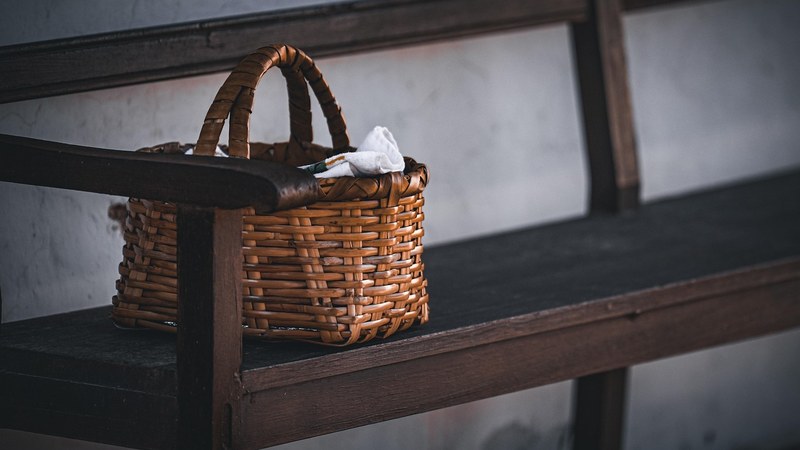
Keep a dedicated basket of five to seven quiet items, not the whole toy shelf. On Sunday, pull out three and add three from a storage bin, so the basket feels new without buying anything. A lid or cloth cover keeps the contents from becoming clutter.
Let the child help set it up. A four-year-old can choose the cushion, a six-year-old can draw a sign, and a seven-year-old can decide the order of the activities. A child who helped build the corner is less likely to call it boring on day two. If two children share it, give each a basket.
Let the timer carry the rules
A visual timer is the most useful object here. A phone timer works, but a dial or sand timer is better: a young child sees time disappearing without asking how much is left. The child learns the end is coming, and the parent stops deciding when the break is over.
Start shorter than you think, and add five minutes after a week of calm, not after one good day. The table below gives a starting range for each age band.
Two rules cover almost everything: stay in the corner, and use a quiet voice. A third helps with siblings: one activity at a time, put back before choosing the next. Keep the list short enough for a child to repeat back.
The timer decides the ending. When it rings, quiet time is over, even mid-drawing. That can feel wasteful, but the predictability is the point: the break always ends on time. If the child keeps drawing after the bell, that is free time, and it is fine.
Build the same routine before the timer starts: lunch, bathroom, a story, then the corner. Expect testing at first. A child who leaves gets walked back without a lecture while the clock keeps running. Practice on a calm Saturday, not after a terrible morning.
Quiet activities for ages 3 to 8
An activity belongs in the basket if it meets four tests: low mess, no adult help required, repeatable alone, and quiet enough for a sibling to sleep nearby. That rules out craft kits with drying times, small loose parts for the youngest children, and any toy that beeps.
For three- and four-year-olds, keep it simple and contained: board books, a felt board, chunky puzzles, a sticker book, large threading beads, a magnetic drawing board, playdough. Check choking hazards: if a piece fits through a cardboard toilet paper tube, it is too small for this age unless an adult is close by.
Five- and six-year-olds can handle more steps: building bricks, a thirty- to sixty-piece puzzle, watercolor, cutting scrap paper, sticker scenes, pattern blocks, and an audiobook with headphones. The headphones are worth it: a story at low volume gives a child something to focus on without filling the room.
Seven- and eight-year-olds often want a project with a visible result: origami, a drawing tutorial, friendship bracelets, a kids' crossword book, a model kit, a journal. This is also when a chapter book can fill a whole quiet time on its own, the outcome most parents want.
Skip anything new. A new toy requires help and ends with an adult on the floor; save it for free play. The basket works because the contents are familiar enough to start without instructions, and keeping it out of everyday reach protects its pull.
Use the generator when the basket needs fresh ideas. Choose the child's age band, available time, and materials, and it returns three activities sized to the block. Some results, like sock toss or an obstacle course, are energetic, so read before you offer: keep the calm ones for quiet time and save the active ones for when movement is the goal. The tool also reminds you to set a timer.
| Age | Starting length | Timer | Basket basics | Adult role |
|---|---|---|---|---|
| 3–4 | 15–20 minutes | Visual dial or sand timer | Board books, chunky puzzles, felt board, large beads | Stay nearby and check often |
| 5–6 | 25–30 minutes | Visual timer with a bell | Bricks, puzzles, watercolor, audiobook with headphones | In the next room, within sight |
| 7–8 | 40–45 minutes | Digital timer or clock | Chapter book, origami, journal, drawing tutorial | Available but not involved |
Make it a household pause
Quiet time fails when the house is not quiet. A television next door, a vacuum upstairs, an older sibling on a video call: the child in the corner will spend the block listening to everything else. The pause belongs to the household, not just the youngest child.
Set a shared window. The hour after lunch works in many homes, because it lines up with the youngest child's nap and the older children's post-school slump. Put it on the family calendar like an appointment, and defend it the same way.
Adults get a pause too, and it should be real. Folding laundry in the same room is not rest, and it tells the child that quiet time is a chore with a chair. Sit down for part of the window with a book or a cup of tea; modeling the behavior is the clearest instruction a child will get.
Keep loud jobs outside the window: vacuuming, dishes, phone calls, the doorbell. If two children share a quiet time, give them separate spaces unless they can share one without talking. End with a snack, a walk, or ten minutes in the yard. Quiet time rests the child; it does not replace running and climbing.
Quiet Time For Kids FAQ
My child will not stay in the corner. What do I do?
Shorten the block first. A child who leaves every few minutes is usually being asked for more time than they can manage. Walk them back calmly without a lecture, and let the timer keep running. Also check the corner: a busy hallway or toys that need help give the child a reason to get up. For a three-year-old, stay in the room at first.
How do I know the right length?
Start at the low end of the range and add five minutes after a calm week. Tears at the end, repeated leaving, or a daily sudden need for a snack are signs the block is too long. A child who asks for more and settles afterward can probably go longer. Let behavior set the length.
Should quiet time replace outdoor play?
No. Quiet time rests the child from input, not from exercise. Keep the day's movement. If the day has been indoors, shorten the block and use the freed hour for running, climbing, or a walk. A child with energy to burn will not settle in a corner and should not be asked to.
What if my child falls asleep every time?
Let a short nap happen early in the block and wake them gently before it ends, so bedtime still works. A brief rest at the start of the afternoon is usually harmless; a long one near dinner will cost you the evening. If your child sleeps through most quiet times for weeks, they may still need a nap on some days. If sleep or daytime tiredness worries you, ask your pediatrician.
This week, put a cushion, a timer, and a small basket in one corner. Run the first quiet time on a calm afternoon, at the low end of the range, with a snack at the end. Do not mention the nap, and do not tie quiet time to anyone's behavior. Then take your own pause in the next room, even ten minutes.
For more activities that fit family life, browse our kid activities guides, and use the Rainy Day Activity Generator to refresh the basket without spending anything.
Maya Thompson is a mother of two and a former project coordinator who writes about family schedules, chores, and the small systems that keep a household running. She tests the checklists she publishes with her own family and favors routines that survive a busy week.