The After-School Activity Basket
Build an after-school activity basket that kids can choose from independently. Low-prep options for ages 4–10 and a simple reset routine at home.

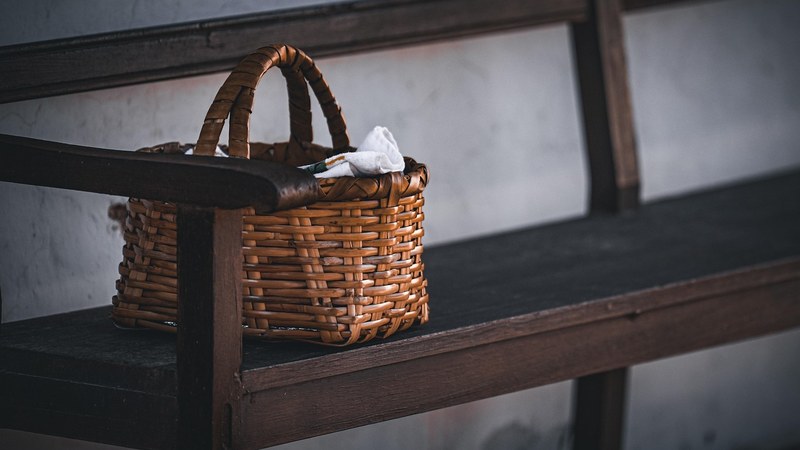
- Keep three to five activities in one low basket, not a shelf full of supplies.
- After a snack, offer two choices from the basket, not the whole house.
- Swap one or two items each week and leave the favorites alone.
At 4:10 on a Wednesday, the backpack lands inside the door and a seven-year-old stands in the kitchen announcing that there is nothing to do. The kitchen is full of things to do. The problem is that the child is tired, hungry, and out of decisions, and "find something to do" is a decision.
An after-school activity basket is a small answer to that moment: one low bin holding a handful of activities a child can start without help and stop without a fight. It is not a craft closet or a reward chart, just a shelf at the child's height saying, quietly, here are some things you can do right now.
The goal is not to fill the afternoon. Most of the hour between school and dinner belongs to a snack, movement, and nothing in particular. The basket covers the charged middle, when dinner is not ready and the screen is the easiest thing in the room.
The 4 p.m. gap nobody plans for
Adults plan school mornings and bedtime. The after-school hour gets whatever is left and is harder than either. A six-year-old who can sit through a whole school day often falls apart over a dropped marker at home. That is not misbehavior; it is a full tank running dry.
When a child comes home empty, open-ended time feels enormous. "What do you want to do?" sounds kind, but it hands a tired child a planning job, and most children answer with the path of least resistance: a screen. A basket changes the question to "Do you want the cards or the magnets?" That is a question a tired child can answer.
The basket protects the adult, too. When the answer to "I'm bored" is a fixed set of options, you are not the entertainment director. You can start dinner while the child gets going. The system does the work.
One catch: the basket is not a punishment or a reward. If it only appears after a screen is taken away, children learn to resent it. Keep it neutral and present every day, one option alongside playing outside, reading, or helping in the kitchen.
What belongs in a basket for ages 4 to 10
The best items share five traits. They set up in under a minute, make a small mess or contain it to one tray, and can be stopped mid-play. They need no adult to run them, and they fit in the basket when finished. An item that fails two tests will end up on the floor.
Ages four to six. Choose activities where the doing matters more than the result: chunky magnetic tiles, playdough with two cutters, a themed wooden puzzle, blank cards with a few crayons, and picture dominoes. A four-year-old may play for eight minutes or forty; both count.
Ages seven and eight. Add structure and a little winning: a deck of cards, a notebook and pencil, a simple building set, a sixty- to hundred-piece puzzle, and stamps or stencils. Children this age want to show what they made, so a tray for finished work matters too.
Ages nine and ten. The basket can hold a project: an origami book with paper, a comic-strip pad, a friendship-bracelet kit, a logic puzzle book, and a measuring tape with a safe ruler. Children this age also like a choice that carries responsibility, such as planning part of dinner.
A few items work across the range: a library book, a sketchbook, plain blocks, and a simple card game. When one basket serves two children, keep small pieces in a labeled zip pouch and check for choking hazards whenever a child under three is in the house.
What does not belong matters too. Loose craft supplies, glitter, paint, and anything with a hundred tiny pieces create cleanup that outweighs the play. Screens belong elsewhere, and a child-run basket should not contain scissors or glue guns.
The generator helps before the week starts, when you are checking whether one basket suits a four-year-old and a nine-year-old at once, and on a washed-out afternoon when you need three ideas fast. Suggestions like a sock toss or a cardboard box car belong in a low basket.
Set it up once in twenty minutes
Pick the spot first. The basket should live where the after-school drop happens: beside the door, on the kitchen counter, or on a low shelf where the family gathers. A basket in a back bedroom becomes a bedroom activity, and a tired child will not walk there alone.
Height matters. A four-year-old should reach in without a stool, so aim for a shelf between knee and waist height. A basket shared by siblings should sit at the youngest child's level, or it stops being self-serve for anyone.
Choose one container. An open-topped fabric bin, a shallow crate, or a wide basket beats a deep toy chest, because a child can see the options at a glance. Deep bins encourage dumping, and a dumped basket is a mess before play begins.
Load it with three to five items, not fifteen. Five give a real choice; fifteen create the same fog as an empty afternoon. Start with two favorites, two standbys, and one new thing. Leave space so items go back in easily.
Add a return habit. Put a small tray beside the basket for work in progress, and agree that when dinner is called, unfinished projects go on the tray.
| Setup | Open basket | Lidded bin | Two-option card |
|---|---|---|---|
| Setup time | 20 minutes | 10 minutes | 15 minutes |
| Child can browse alone | Yes | Only if it stays open | Yes, by card |
| Mess risk | Low to medium | High | Low |
| Tidying effort | Low | Medium | Low |
| Best for | Kids 4–10 in most homes | Shared sibling toys | Kids who freeze at choices |
Hand the choice to the child
The basket works only if the child owns the pick. That does not mean an open menu; it means a narrow one. Offer two activities and let the child choose; a five-year-old can manage two, a nine-year-old three. If the child says "neither," the basket has drifted, or the child needs food or movement first.
Protect the pick once it is made. If a child chooses the magnets, do not redirect to the puzzle five minutes later because it seems more educational. A choice that gets second-guessed stops being a choice, and picking is worth doing because the pick sticks.
Let the activity run its own length. Some tries last four minutes; some last an hour. A child who starts and stops quickly is testing whether the basket is safe to return to. The only rule worth enforcing is the return habit, not a finished product.
Stay nearby without hovering. The adult's job is to be in the room, not to run the play. If the child asks for help, give a little and step back. If the child calls out that it is boring, wait a beat; many children need one slow minute to find their own idea, and an instant rescue teaches them that boredom is an emergency.
For a child who freezes at choices, the two-card system helps. Write or draw each option on a card, keep a few in the basket, and let the child draw one. A child who dislikes the first draw can trade for one more.
Rotate one item, not the whole basket
A basket that never changes becomes invisible. One that changes completely every week becomes a lottery, and the child stops trusting it. The middle path is slow rotation: swap one or two items a week, keep the rest, and let favorites stay as long as the child wants.
Keep a small stash of alternates out of sight, on a high shelf or in a closet. When the child has lost interest in one item, trade it for something from the stash.
Follow the calendar. Cards come back out in colder months; a nature-hunt sheet appears when the weather turns warm. Seasonal swaps do the work for you. Once a month, check for anything broken, outgrown, or missing pieces, and move it out.
Retire quietly. A child who declares a long-loved item "for babies" does not need a speech. Take it out, put it in the stash, and add something new on the same visit. The basket should feel like it belongs to the child's current age, not last year's birthday.
Review at the same moment every week, ideally during the Sunday reset. Three questions are enough: what did the child use most, what was never touched, and what needs replacing. Five minutes, one swap, and the basket is current again.
After School Activity Basket FAQ
What if my child ignores the basket and asks for a screen?
Expect it for the first week; the basket is competing with a habit that has a head start. Offer a snack and ten minutes of movement first, then present the two choices. If the screen is still the only answer, keep the basket in place and stay neutral; most children come around when the alternative is offered the same way every day.
How many activities should the basket hold?
Three to five, with one or two favorites always present. More turns the basket into a toy box and makes choosing hard for a tired child. Keep the extras in a closet and rotate them in, so the basket stays small while the options stay fresh.
Can siblings of different ages share one basket?
Yes, with two rules. Keep shared small pieces in a labeled zip pouch, and check for choking hazards whenever a child under three is in the house. Choose items that work at both levels, such as blocks, cards, and drawing supplies, plus one or two reserved for the older child.
Does every afternoon need an activity?
No. Some afternoons should be a snack, a stretch of outside time, and dinner. The basket covers the days when the gap feels long, not every day. A child who uses it two or three times a week is using it correctly.
Start tonight with what you own: pull three things from a drawer, put them in one low bin, and set it where the backpacks land. Pick a day this week to swap one item. The basket does not need to be clever or large. It needs to be in the right place, small enough to choose from, and available without asking.
For more ideas that fit a real afternoon, browse our kid activities guides, and try the Rainy Day Activity Generator when you need three fresh options for the age and time you have.
Maya Thompson is a mother of two and a former project coordinator who writes about family schedules, chores, and the small systems that keep a household running. She tests the checklists she publishes with her own family and favors routines that survive a busy week.