How to Create a Family Movie Night Ritual
Create a weekly family movie night ritual: a predictable sequence, snack plan, age-appropriate choices, and clear screen boundaries every week.

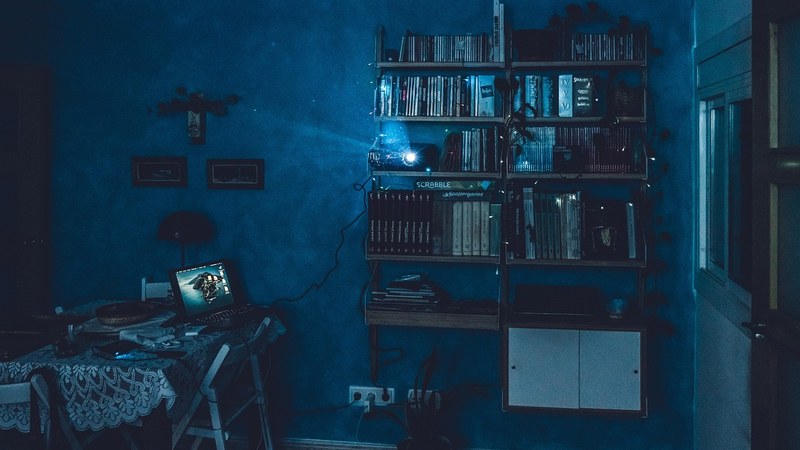
- A movie night becomes a ritual when the order repeats: choose, set up, snack, watch, close. Change the film; keep the sequence.
- Movie night is screen time. Decide whether the film replaces that day's allowance or sits beside it, and check the week's minutes first.
- Close at the credits: lights up, one favorite-part sentence each, then the normal bedtime routine.
At 7:15 on a Friday, four people are in the living room and nobody has chosen a film. One child scrolls a streaming menu, another asks whether the movie has a sad part, the popcorn burns, and the oldest answers a group chat beside a television still on its home screen. At 7:55 someone presses play. By 8:40 the youngest is asleep sideways, the oldest has missed twenty minutes, and the adult who picked the film is annoyed.
Two streets over, another family runs movie night every Thursday and finishes in the same order each time. Blankets come out of one bin, the snack follows a monthly rotation, the title is settled before dinner, and the credits lead to a short round of best-part sentences before teeth. Nothing about it is more exciting. It is simply repeatable.
A ritual is a sequence a family can run without reinventing it. This guide covers the order of the evening, the screen boundary, snacks, age-appropriate titles, and the weekly habit.
Why a fixed sequence beats a special occasion
A special occasion runs on adult energy and novelty: someone finds the film, plans a bigger snack, announces that tonight is different. That works two or three times a year, not on the fourth busy Friday of the month.
A ritual runs on repetition. The order does the coordinating, so no one has to decide what comes next. Children who know that blankets come before snacks, and snacks before the film, stop negotiating the middle of the evening. They may still argue about the title, which is a much smaller argument than whether the night is happening at all.
Weekly beats monthly: a monthly night must be reintroduced each time, while a weekly one becomes part of the family's clock. Children start asking on Wednesday which film is queued.
Pick the day by the family's real energy, not the calendar's best-looking slot. One household kept losing Saturday movie night for a year: sports ran late, dinner slid to eight, and the film started when the youngest was finished. Moving the ritual to Friday after baths changed nothing except the day, and it worked. The sequence was fine; the slot was wrong.
Keep four fixed points: the day, the start cue, the snack format, and the close. Everything else can move.
The five-step sequence, start to credits
The sequence costs about twenty minutes around the film.
Choose before the evening. Keep a shortlist of five titles on the fridge, give one child the pick each week, and rotate. Each child gets one veto, used before dinner rather than after the popcorn. A five-minute debate with a rule beats a twenty-minute debate without one.
Set up in ten minutes. Use the same bin for blankets, cushions, and a folded sheet for the youngest. Dim the lights but do not turn them off, so a nervous child can still see faces. Fill cups, put the remote on the shelf, and collect phones and tablets into a basket by the door.
Serve snacks in one pass before play. One bowl per person, napkins within reach, lidded cups. A film is a closed room, and every kitchen trip breaks it. For a long film, plan one intermission at a natural scene change instead of a stream of small exits.
Watch with a pause rule. Say what pauses are for: bathroom, a scared child, a technical problem; commentary does not count. One adult holds the remote and sits nearest the youngest viewer, because a predictable handler matters more than a perfect title.
Close at the credits. Lights up, one sentence each about a favorite part, bowls to the kitchen, then the normal bedtime routine. Skip the more-like-this row. The credits are the boundary, and a ritual with a clear end repeats more easily.
Do the math before choosing a start time: the film plus about twenty minutes of setup and close. If bedtime is 8:15, a 95-minute film needs a 6:40 start. When the numbers do not fit, choose a shorter title or a day with more room; sleep is the one trade that shows up the next morning.
Set the screen boundary before the film starts
Movie night is screen time, and pretending otherwise is how the week's limits stretch. Pick a replacement budget, where the film uses that day's allowance, or an addition budget, where a family movie allowance sits on top of personal limits. Either works; deciding during the argument is what fails.
Keep one screen in the room. The shared television is the event; tablets and phones go into the basket, including the adults'. A second screen turns one evening into four private ones and makes the boundary impossible to enforce.
Choose films, not series. A feature has a built-in end, so the boundary arrives on its own. Autoplay turns a two-hour ritual into an open-ended session, and "just one more episode" resets the negotiation every twenty-five minutes.
Agree on a signal for the scary part: a raised hand, a word, a tap on an arm. The response is a pause, not an inquest, and a child can step out and return without the room stopping.
Adults follow the same boundary. If a parent scrolls through the opening scene, the rule becomes a suggestion for children only.
The chart turns the boundary into arithmetic. Enter the daily limit, the bonus minutes a completed day can earn, and whether you track five or seven days. The output shows each day's base and maximum plus weekly totals. If a film runs longer than a day's maximum, choose a shorter title, an earlier start, or a day with more room. The chart is the week's shape, visible before Friday.
Snacks that keep the room calm
The snack should not compete with the film. Loud, sticky, crumbly food pulls attention away. Aim for quiet, low-mess, one-hand food: air-popped popcorn, pretzels, cheese cubes, apple slices, crackers, grapes. Whole popcorn is a choking risk for toddlers, so keep a softer option for the youngest viewer.
Serve before play, not during. A late snack causes a pause, a lamp, and a portion debate. Set the bowls before the first scene. Lidded cups prevent the other classic interruption, and a small bowl per child keeps the bag from becoming a permanent handhold.
Repeat the snack format instead of chasing variety. One family does popcorn on the first movie night of the month, pretzels and cheese on the second, fruit and yogurt on the third, and whatever is in the cupboard on the fourth. The rotation removes a decision and becomes part of what the children expect.
Check the guest list before choosing: ask about allergies, keep the snack simple enough to label in one sentence, and skip anything that needs cutting. Make cleanup part of the close; at the credits, each person carries a bowl to the kitchen and puts the cushions back.
Pick the film by age, not by the rating
Age ratings are a blunt tool. Two films can share a letter and differ wildly in pacing, peril, grief, and noise. A parent review that describes actual scenes is more useful than the letter on the poster. Read one before the shortlist goes up, and preview the middle act.
Ages two to four: think in blocks, not features. Twenty to forty minutes of gentle pacing and familiar characters is often the whole attention span. Two short episodes with the same setup, snack, and close can work better than a ninety-minute film that ends in a meltdown.
Ages five to eight: a 75-to-90-minute animated film usually fits. Check for the themes that upset this age most: a parent missing, a child lost, a beloved character in danger. A preview tells you whether the scary part is a three-minute challenge or a twenty-minute ordeal.
Ages nine to twelve: films can run longer and carry more complexity. Let them nominate titles and defend the choice in one sentence. Keep co-viewing, because the conversation after the credits is where the thinking happens.
With siblings, rotate the picker and keep one shared ritual. Two rooms solve the title problem but lose the family part. If the age gap is wide, the younger child picks a short film one week and the older child picks next time.
| Piece | Ages 2–4 | Ages 5–8 | Ages 9–12 |
|---|---|---|---|
| Film length | 20–40 minutes, often in two short blocks | 75–90 minutes | 90–120 minutes |
| Snack | Soft fruit, crackers, water with a lid; no whole popcorn | Popcorn or pretzels in a small bowl | Popcorn plus a second small option |
| Seating and light | On a lap or beside an adult, dim but not dark | Floor cushions, lights low | Their own spot, lights low |
| Pause and scary moments | Pause freely; a hand signal and an easy exit | One agreed pause; adult sits nearest | Pause only for a real problem; they can step out |
| End time | Finish at least 30 minutes before bed | Finish 30 minutes before bed | Finish 20–30 minutes before bed |
The film is the variable. The sequence is the ritual.
Family Movie Night Ritual FAQ
What if a child wants to stop halfway through?
Pause and ask one question: is it the film or the evening? If the film is too scary or too slow, stop without calling it a failure and try a shorter title next week. If the child is tired, let them leave quietly.
Can movie night happen on a school night?
Yes, if the math is honest. Start early, pick a film that ends thirty minutes before bed, and keep the close short. If two weeks running produce rough mornings, move the ritual to Friday.
How do we handle different ages wanting different films?
Rotate the picker and keep a shortlist everyone built. Use short films for the youngest. Splitting into separate rooms weakens the shared ritual more than it solves the title problem.
Do the adults get to use phones during the film?
No, and that is the simplest rule. Put every device in the basket, including yours. A boundary that applies only to children teaches them the rule is optional.
This week, choose the day and write the five steps on a card. Put the card in the blanket bin, pick the snack format for the month, and check the minutes before you commit to a title. Close at the credits, because the ending is what lets the family repeat the night.
For more activities for real family evenings, browse our kid activities guides, and keep the Screen Time Reward Chart nearby when a film needs a plan.
Maya Thompson is a mother of two and a former project coordinator who writes about family schedules, chores, and the small systems that keep a household running. She tests the checklists she publishes with her own family and favors routines that survive a busy week.