When to Call a Professional
Know when to stop DIY: electrical, gas, structural, roofing, water, and HVAC red lines, plus how to choose and document a licensed pro first.

- Gas, burning smells, sparks, and warm outlets are stop signs: get everyone out and call from outside.
- Water you cannot stop, water near wiring, and growing cracks need a professional the same day.
- Photos, model numbers, and a timeline turn a panicked call into an accurate quote.
On a Sunday night, the ceiling above the shower wears a brown ring the size of a coffee mug. The tempting fix is stain-blocking primer and a promise to watch it. Primer does not repair the failed flashing above the ceiling, and the ring returns with the next rain, darker and larger. A ceiling stain is a message from somewhere else.
The same misjudgment appears at the outlet beside the counter. The faceplate feels warm, the plastic has yellowed, and the circuit still works, so the family keeps plugging in the kettle. Warmth points to resistance, a loose connection, or an overload, and it can become a fire inside the wall.
This guide covers the conditions that should end a do-it-yourself project, the trades where a license is not optional, the records that make a call faster, and the jobs still sensible to handle yourself. The goal is not to fear your house but to avoid paying twice for the same repair.
Five red lines that end the conversation
Gas. A gas odor, even faint, ends the project. That added odor is not an invitation to hunt for the source with a match. Do not flip switches, unplug appliances, or start a car in an attached garage. Get people and pets outside, then call the gas utility or emergency services from a distance. If you pass the meter and know the shutoff, close it; do not go back inside. Pilot lights wait for a licensed technician.
Burning. A burning smell from the panel, an outlet, a cord, or the furnace is the second red line. Hot plastic or a fishy odor near the panel suggests overheated wiring. Smoke, flame, or crackling means leave and call emergency services. For a smell alone, stop using the circuit, kill the breaker if the panel is dry, and call an electrician.
Sparks. Arcing, a charred faceplate, scorch marks, or a breaker that trips again immediately need test equipment. Do not install a larger breaker or tape over the burn mark and call it solved.
Major water. Water you cannot shut off, water that has reached a ceiling light or the panel, and sewage backing into a tub are same-day calls. Close the main shutoff if you can reach it without standing in water. Never stand in water to open an electrical panel. A bulging ceiling is a warning, not a curiosity.
Structure. A crack is not automatically a crisis, but one that widens, a stair-step crack through brick or block, a door that suddenly sticks, or a floor that feels springy deserves a licensed structural engineer. Get an engineer for the diagnosis, not a contractor selling a repair.
Never work on an energized electrical circuit, and never open, disconnect, or repair a gas line. A careful person who guesses wrong can still be hurt.
Electrical and gas belong to the licensed
Licensing is not a formality. In most places, new circuits, panel changes, service upgrades, and work in kitchens and bathrooms require a permit and an inspection. The permit puts trained eyes on work that will disappear behind drywall and creates a record that matters at resale or during a claim. A contractor who offers to skip it is telling you how the rest of the job will go.
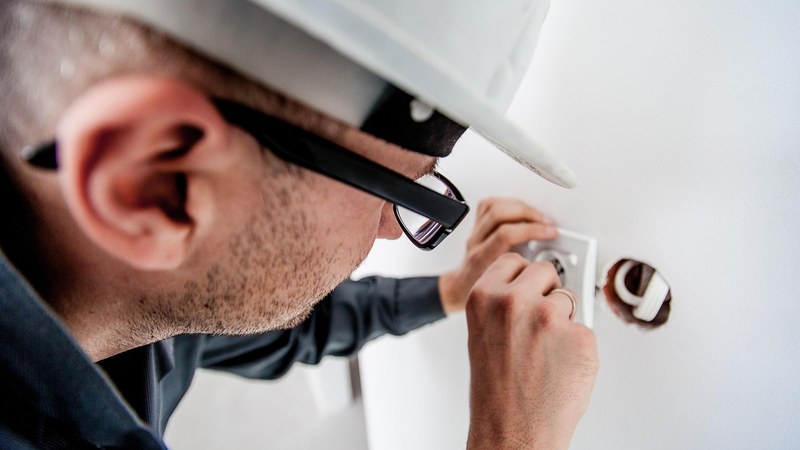
An electrician earns the call for a panel that is full, warm, or labeled in fading pencil; for ungrounded outlets; for receptacles near water without GFCI protection; for aluminum or knob-and-tube wiring; and for anything needing a new circuit. So does every outlet that has sparked and every light that flickers when an appliance starts.
Gas work belongs to a licensed fitter or plumber: water heater replacement, range and dryer hookups, venting, flexible connectors. An appliance that has been moved or capped needs a leak check before use.
Some swaps are allowed for homeowners in some places, and only when the breaker is off and the circuit tested dead, not assumed dead from a label. A cover plate or a lamp is safe. Opening a panel or working inside a live fixture is not. If you cannot prove the wire is dead, stop.
Structural, roofing, and hidden water
Water is the patient destroyer in a house. It enters at one point and appears elsewhere, often weeks later, which is why a ceiling stain is a direction, not a diagnosis. Missing shingles, granules in the gutter, daylight through roof boards, and rafter stains point to a roof that has stopped shedding water where it should.
Roof work attracts the wrong help. A contractor who appears after a storm promising to use your insurance money is a risk. Reputable crews do not create urgency at your front step, and an inspection should include the attic.
Water comes in grades. Clean water dries easiest. Gray water from a dishwasher or sink carries enough contamination to change the cleanup plan. Black water from sewage or outdoor flooding is professional work. Wet drywall, insulation, and carpet padding can support mold within a day or two; a fan does not dry the wall cavity.
Structural damage can be quiet. Diagonal cracks at door and window corners, cracks wide enough to hold a pencil, and doors that no longer latch deserve documentation. Hairline cracks from seasonal movement are usually cosmetic. The difference is direction, location, and growth; photograph a suspect crack beside a ruler monthly.
Heating and cooling has its own boundary. Refrigerant handling is regulated, and the furnace valve, heat exchanger, and flue are not homeowner territory. You can replace the filter, clear the outdoor unit, and change the thermostat batteries. Ice on the coil, a burning smell, short cycling, or a carbon monoxide alarm means shut the system down and call. Treat that alarm like a fire alarm: leave and call from outside.
What to document before the van arrives
Start with photographs: a wide shot of the room, a close shot of the detail, and something familiar beside a stain or crack for scale. Record a short video if the problem makes a sound. Photograph the model and serial plate on the furnace, water heater, or panel, plus any receipt showing the install date and warranty.
Write a short timeline: when the problem started, what changed just before it, and what you have already done. A storm, a new appliance, or a shutoff first used in years can be the clue. Note the water and gas shutoffs, and mention any repair you attempted; the next person needs to know what is in the wall.
Once work is scheduled, keep the license number, insurance certificate, written scope, permit, and payment schedule in one folder. Photograph the work area before and after; those images settle disagreements about preexisting damage and support an insurance claim.
Hiring well and knowing what is still yours
A magnetic sign that says licensed and insured is a claim, not a check. Verify the license with the state or local board, and ask for certificates of liability insurance and workers' compensation. On a large job, call the insurer to confirm the policy. An uninsured injury on your property can become your problem.
For anything beyond a small repair, gather two or three written quotes and compare scope, not total. A quote listing model numbers, cleanup, disposal, and the permit is worth more than a number on a card. Ask how changes are handled once a wall is open, and who will do the work. Pay a small deposit and finish after inspection and the punch list.
A refusal to put the warranty in writing, a demand for cash up front, a price far below every other bid, and pressure to decide today are all reasons to walk away. The cheapest bid usually skips a step the others included.
| Problem | Reasonable DIY | Handyman | Licensed trade |
|---|---|---|---|
| Slow bathroom drain | Plunger or trap clean | Yes | Plumber if it returns |
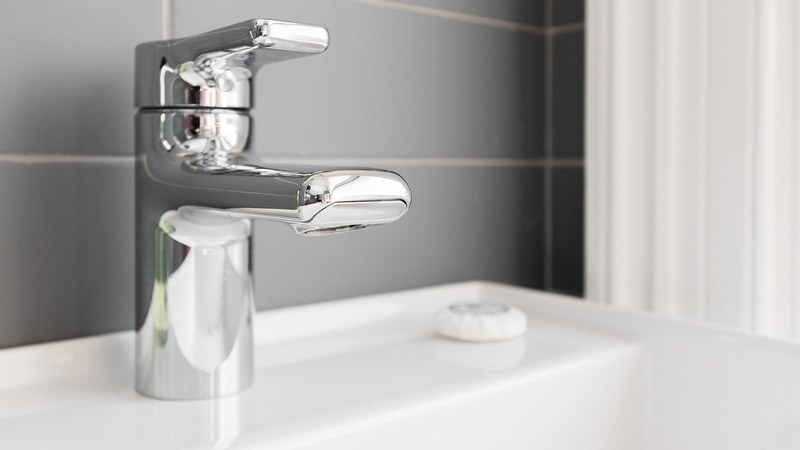
| Dripping faucet | Cartridge swap if shutoff works | Sometimes | Plumber if the valve will not close |
| Warm or discolored outlet | No | No | Electrician, same day |
| Gas smell | No | No | Gas utility and licensed fitter |
| Ceiling stain after rain | No | No | Roofer and water mitigation |
| Hairline paint crack | Patch and paint | Yes | Engineer only if it grows |
| Air conditioner not cooling | Filter and thermostat check | No | HVAC technician |
| Sewage backup | No | No | Plumber and restoration crew |
Confidence is not a license. The two look alike right up until the inspection, the invoice, or the fire.
The work does not end when the professional leaves. Repairs leave dust and displaced furniture, and the follow-up belongs to the household. The cleaning schedule generator turns your family size and available minutes into a weekday plan and a weekend reset, which clears a repair zone without letting the house slide. Open it to build the week after the van pulls away.
When To Call A Professional FAQ
Can a handyman replace an outlet or a light fixture?
It depends on where you live. Many areas limit handymen to cosmetic, non-permitted work, while some allow minor electrical swaps. Panels, new circuits, and gas connections are licensed work everywhere. Ask your licensing board about the task, and treat an offer to skip a permit as a warning.
The electrician says the whole panel needs replacing. How do I check?
Ask for photographs and a plain explanation of which conditions triggered it. Get a second opinion from another licensed electrician, and ask whether the panel can be repaired and what a permit would require. A large quote deserves a second look.
The gas smell went away. Is it safe to use the appliance?
No. A leak that seems to stop may be intermittent, and gas can collect again without warning. Keep the appliance off, do not relight a pilot, and have a licensed fitter perform a leak check before use. If the smell returns, leave and call the utility from outside.
What if I started a repair and made it worse?
Stop and secure the area. Turn off the breaker or water main if you can do so safely, and keep children and pets out. Then call a professional and say plainly what you did, including any product you used.
Print the five red lines and put them inside the panel door. Write the gas utility's emergency number beside them, and keep one folder for photos, receipts, and warranty papers. When the next problem arrives, you will not have to decide under pressure whether it is yours. For more guidance, browse our Home Systems and Fixes section, and keep your post-repair routine moving with the Cleaning Schedule Generator.
Daniel Reyes spent ten years in residential maintenance before moving into writing. He covers seasonal upkeep, cleaning systems, stain removal, and the repairs homeowners can safely handle themselves, with clear notes on when to stop and call a professional.