Grocery Budget Tips for Families
Grocery budget tips for families: unit price, meal planning, a shopping list, store brands, less takeout, and a realistic weekly grocery number.

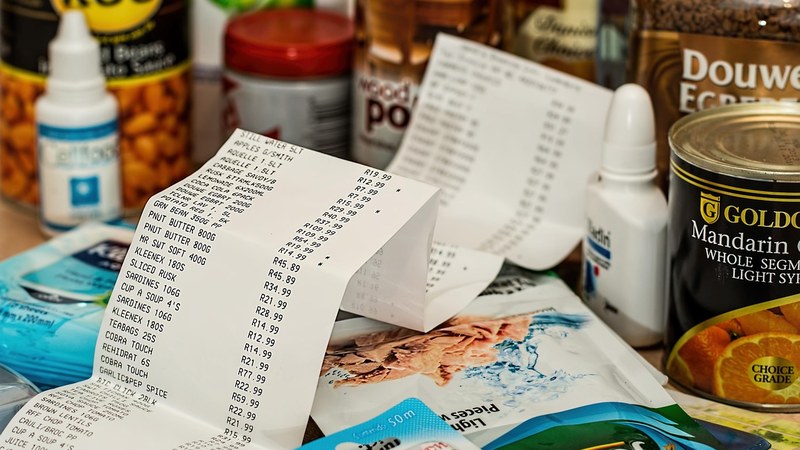
- Set one weekly grocery number from your receipts, then write it at the top of every list.
- Plan the week's dinners first; the list is that plan rewritten in the order you walk the store.
- Compare unit prices, test store brands on plain staples, and treat takeout and spoiled food as the same overspend.
The Saturday shop is rarely the problem. It is the Wednesday stop for one missing ingredient, the Friday run because nothing was defrosted, and the Sunday delivery because the fridge looks empty while holding six things that never became a meal. Each trip feels small. Together they are the grocery budget, and nobody planned any of them.
Few lines in a family budget respond to small decisions as directly as groceries. This guide covers five levers: a weekly number, a meal plan, unit pricing, store brands, and the cash that leaks out through takeout and the bin. Amounts are rounded examples; prices vary by region and season.
The order matters. Pick the number, plan the week, write the list, then shop. Done out of sequence, even a careful shopper can overspend.
Set the weekly number first
A budget figure chosen at the register is a report. A figure chosen before you leave the house is a decision, and it changes what the cart is allowed to hold.
Find the number in receipts you already have. Total the food from the last three or four shops, including the small midweek runs, then subtract household goods such as paper towels, detergent, and cleaning sprays. Those items arrive in bursts and make the food line look worse than it is. Divide by the number of weeks covered.
Say the food totals come to about $212, $231, and $206. The average is around $216, so set $205 and keep $15 of it as a cushion for a guest or a price jump. A target that needs every week to be perfect fails on the first ordinary Tuesday.
Write the number at the top of the list and track the running total. If it passes the number before the checkout, put two items back while you are still in the aisle. A correction in the aisle costs a minute; a correction at the register costs the trip.
A weekly number only means something if the month can absorb it. Enter take-home pay, fixed costs, and variable spending that includes groceries into the planner above. It returns what is left each month, your savings rate, and how the margin compares with a 50/30/20 split. Run it monthly, or after a raise or a move.
| Budget line | Example weekly amount | What protects it |
|---|---|---|
| Protein | about $55 | One meatless dinner and a freezer backup |
| Produce | about $45 | Buy what the plan will cook |
| Dairy and eggs | about $30 | Store-brand basics, checked once |
| Pantry and frozen | about $30 | Unit-price check on repeat items |
| Household goods | about $15 | Kept off the food line |
| Cushion | about $15 | Covers a price jump or a guest |
| Total | about $190 | Reviewed at week's end |
Plan dinners, then write the list
The list is the meal plan rewritten in walking order. When the two disagree, the plan loses.
Write five dinners, one leftover night, and one flexible night. Decide the flexible night now, not at 6:20 on Thursday: it might be a takeout order, eggs and toast, or whatever the fridge produces. Choosing in advance removes the open question that a delivery app is waiting to answer.
Build the dinners from food already at home. Ten minutes with the fridge, freezer, and pantry will show what needs using and which staples are low. A half bag of rice, two cans of tomatoes, and a frozen pack of chicken are three ingredients before you buy anything.
Chili shows how one pot covers several nights without repeating a plate. Onions, peppers, canned tomatoes, beans, and ground meat or lentils make night one with rice and night two over baked potatoes. What remains goes into a labeled freezer container for a later week. The list stays short because the pantry already holds the beans, tomatoes, and rice; the trip fills the gaps, and nothing bought has to be rescued on Thursday.
Write quantities instead of nouns: two large tubs of yogurt, one bag of oats. Order the list the way you walk the store, typically produce, meat, dairy, pantry, frozen, then household, because backtracking is where impulse buys live. Give each child one decision inside the plan and one job, such as reading unit prices or crossing items off.
Unit price is the real price
Every shelf tag carries two prices: the one you pay and the one that says whether it is a good deal. The second is the unit price, printed small per ounce, pound, load, or sheet. The package price answers what this costs now; the unit price answers what you are actually buying.
The comparison works only when the units match. One item may be quoted per ounce and its neighbor per pound. Convert both before deciding.
Two cereal boxes make the point. An 18-ounce box at $4.29 is about 24 cents an ounce; a 27-ounce box at $5.49 is about 20 cents, so the larger box wins, provided the family finishes it before it goes stale. Pasta runs the other way: 16 ounces at $1.79 is about 11 cents an ounce, while 32 ounces at $3.99 is about 12 cents. Same shelf, opposite answer.
Meat needs its own caution. A bone-in cut can price lower per pound while part of that weight is bone, and some frozen packages carry added water, so compare the meal you will serve. Sales also flip the math for a week; read the tag on the day you shop.
Store brands, tested one at a time
Store brands save most reliably where brands are nearly indistinguishable: flour, oats, rice, pasta, canned beans and tomatoes, frozen vegetables, milk, butter, foil, and basic cleaners. In a cooked meal the label rarely survives the first stir.
They save least on what the family tastes. Coffee, one particular cereal, ketchup, and the snacks a child has opinions about are worth their brand price if the cheaper option goes uneaten. A store brand nobody touches does not save money; it moves the cost from the shelf to the bin.
Test two swaps per trip, not ten, and note the result on the receipt margin. If nobody comments, buy it again. If someone notices, finish the package and move that item back to the brand list. Nobody wins a debate with a seven-year-old about crackers.
Five swaps at about 50 cents each save $2.50 a week, about $130 a year. That will not change a family's finances, but it is nearly free to capture and invisible at dinner.
The two leaks: takeout and waste
Takeout and spoiled food look like opposites. One is dinner you did not cook, the other is food you did not finish. Both are nights when the plan did not meet the day, and both are paid for without feeding anyone from your kitchen.
Takeout has a place. Two delivery dinners a week at about $35 each is roughly $280 a month, real money, but so is the sanity saved when a meeting runs late. The goal is not a ban. It is to stop the unplanned order that arrives because nothing was defrosted and the fridge looks empty.
Give takeout a slot. Pick the hardest day in advance and budget one order for it inside the weekly number. On other nights, keep a backup shelf that becomes dinner in fifteen minutes: eggs, pasta, canned tomatoes, frozen vegetables, tortillas, cheese. It is not glamorous, which is exactly why it gets used.
On waste, collect evidence instead of guilt. For one week, put food headed for the bin into a marked container. At the end, look at what is in it. Many families find the same two or three items: produce bought for a plan that changed, stale bread, or a bulk pack that outran the week. The container tells you what to buy less of.
Defenses are small: buy produce in the amount the plan will cook, keep the oldest items at eye level rather than in the bottom drawer, freeze bread and portioned meat the day they arrive, and let one use-it-up night absorb the odds and ends. Each routine protects food already paid for.
Together the week has a shape: five planned dinners, one use-it-up night, one night that is takeout or the backup shelf. Seven nights covered, both leaks smaller, and nobody banned from pizza.
Grocery Budget Tips For Families FAQ
We have never tracked grocery spending. Where do we begin?
Start with a month of receipts and change nothing else. Separate food from household goods, divide by four, and compare with what you assumed you spent. Then set a weekly number slightly under that average with a small cushion and shop normally for two weeks. A baseline built from reality beats a target built from hope.
Do meal kits fit a grocery budget?
Sometimes, but they are usually priced per serving and shipping adds to the total. Compare a weekly box with what you would realistically cook from a plan, including the ingredients you tend to waste. The fair comparison is against your actual habits, not a restaurant.
Should the weekly number include detergent and paper goods?
Keep them on their own line. Household goods arrive in irregular bursts and can hide a food overrun or make a good week look terrible. Give them a monthly amount and let the food number stay a food number.
How do we budget for a child with allergies or a special diet?
Allergy-friendly and medical-diet foods have less price flexibility, so give them a fixed line and plan around them. Compare store brands only when the label meets the requirement exactly, and read the ingredient list rather than the price. For complex restrictions, a registered dietitian can help build affordable meals. The grocery budget should never be balanced by cutting corners on safety.
Start with one number and one list. Total your receipts, set a target with a cushion, plan five dinners and a use-it-up night, and check the unit price on the two items you buy most often. Add one store-brand swap and a planned takeout night on the busiest day.
For the rest of the money picture, browse our Family Budget guides and open the Family Budget Planner to see what the grocery number leaves in the month. If the number keeps failing because income and fixed costs leave no room, the issue is larger than the cart, and a nonprofit credit counselor can help. This is general guidance, not financial advice.
Rachel Kim writes about household money: family budgets, allowances, emergency funds, and the real cost of everyday decisions. Her approach favors small automatic steps over complicated spreadsheets, so a plan can survive a month with sick kids and extra expenses.