Cash Envelope System for Families
A cash envelope system for families: which categories work in cash, withdrawal cycles, digital alternatives, weekly review, and cash safety.

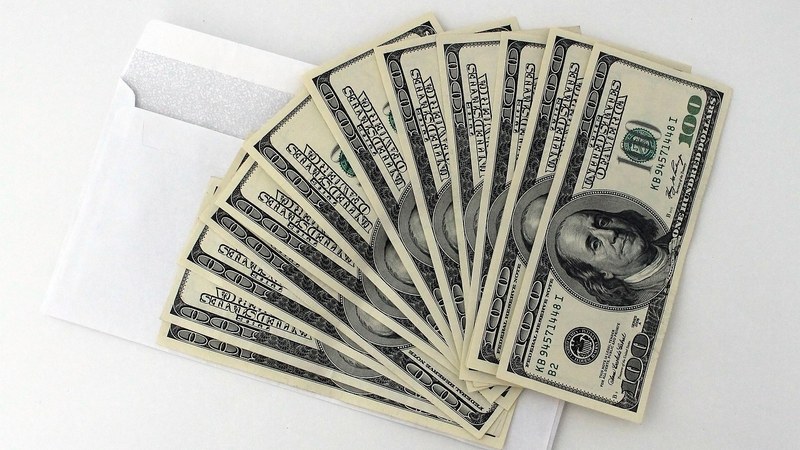
- Cash envelopes fit spending you decide in the moment: groceries, takeout, activities, and personal money. They do not fit rent, utilities, or anything on autopay.
- Withdraw once per pay cycle in one trip, and keep the rest of the money in the bank. Smaller cycles catch overspending sooner.
- The envelope is a ceiling, not a wallet. Review it weekly, store cash safely, and copy the limit digitally if cash stops fitting your week.
The envelope system usually fails quietly. A family withdraws $600 for groceries on the first of the month, shops normally for two weeks, and then finds $38 left with eleven days to go. No emergency happened. The money left in dozens of small decisions nobody watched, and the card came back out at the next checkout without anyone deciding to abandon the plan.
Cash works because it puts a visible limit in your hand at the moment of spending. You cannot swipe past the end of a twenty-dollar bill. That friction helps only where the decision is frequent, variable, and made in person. Where a bill is fixed and paid automatically, cash adds a chore and removes nothing.
This guide covers which categories fit, a withdrawal rhythm tied to payday, the digital version of the same limit, a short weekly review, and the safety rules. It is general guidance, not financial advice.
Which categories belong in cash
A spreadsheet can hold forty categories. A family should carry no more than five envelopes. The test: do you spend from it often, does the amount change week to week, and do you decide at the counter rather than on a bill that arrives later? A category that passes all three is a candidate. One that fails becomes an envelope you forget to refill.
Groceries are the classic fit because the total moves with meal choices, store sales, and the occasional impulse buy. Takeout and coffee belong for the same reason. Kids' activities, school extras, and small household purchases qualify too: they are frequent, they vary, and the decision happens in front of the item. Personal money for each adult is the quiet category that prevents arguments, because it makes "mine" and "ours" concrete.
Rent, utilities, insurance, phone bills, subscriptions, loan payments, and medical bills do not belong in envelopes. They are fixed, often on autopay, and none improves because you held the money in paper form. Online purchases also fight the system, since you cannot hand a cashier an envelope through a screen. Savings is not an envelope either; it should leave the account on schedule, not sit in a drawer waiting to be borrowed.
Here is a workable set for a family of four paid twice a month. Groceries get $325 per check, takeout $100, kids' activities $60, household incidentals $30, and each adult gets $40. That is $595 in cash per check; the mortgage, utilities, insurance, and savings stay in the bank. Label each envelope with its category and amount, and keep a running tally on the back.
Set the withdrawal cycle around payday
Most envelope advice assumes a monthly paycheck and a first-of-the-month ATM trip. That rhythm is hard on the budget: one bad week can empty a category before the next refill. Match the cycle to the money instead. Paid every two weeks? Withdraw the day after each deposit. On irregular income, base the withdrawal on the smallest deposit you can count on and treat anything extra as a separate decision.
Weekly cycles give the tightest feedback, because seven days is short enough that you still remember why the envelope is low. Biweekly cycles match most payroll schedules and cut the admin in half, but they demand discipline in the second week, when the envelope looks like a suggestion. Monthly cycles are the least work and easiest to overspend.
Make the withdrawal one event. Go once, take out the full amount for every envelope, and ask for twenties and tens so you are not breaking a large bill for a small purchase. Keep a reserve of $50 to $80 outside the envelopes for a mid-cycle top-up, and record every transfer. Withdraw only the envelope money; rent, bills, and savings should never sit as cash.
Digital alternatives that do the same job
If cash does not fit your week, copy the limit rather than the paper. An envelope works because of three things: a hard ceiling per category, a balance you can see before you spend, and a fixed refill date. Ordinary tools can reproduce all three.
A separate checking account or savings sub-account can hold one category with a debit card attached, giving you a real balance and a natural ceiling. A budgeting app can track category balances if you enter purchases, making overspending visible without stopping it. A reloadable prepaid card loaded once per cycle enforces a hard limit, though fees and load limits vary by product.
The hybrid version is usually the most durable. Keep cash for groceries, takeout, and personal money, where the physical limit does real work. Use a separate account or an app category for online spending, and leave bills and savings on autopay.
| Method | Cash envelopes | Separate account | Budgeting app | Reloadable card |
|---|---|---|---|---|
| Setup effort | Low, one ATM trip per cycle | Medium, account and transfers | Medium, daily entry | Low to medium, depending on fees |
| Limit is enforced | Yes, when cash runs out | Yes, by the balance | No, you must check it | Yes, by the loaded amount |
| Works for online purchases | No | Yes | Yes | Usually yes |
| Main weak spot | Loss, theft, and ATM trips | Transfers are easy to reverse | Requires consistent logging | Possible fees and load limits |
| Best for | In-person, frequent spending | One or two big categories | Families who like data | Teens and tight limits |
Check the terms before you choose. Fees and transfer rules differ by bank and product, and no single tool fits every household. The right question is which one you will actually check before you spend.
Before you label a single envelope, check the total. The planner above takes your take-home pay, fixed costs, and typical variable spending and shows what is left each month. That leftover is the real ceiling for your cash categories. If it is small, start with one envelope and leave the rest in the account.
Run a ten-minute weekly review
The weekly review is where the system earns its keep. Pick a fixed day, ideally the evening before your cycle resets, and spend ten minutes with the envelopes on the table. Count each one, write the balance on the back, and note how many days remain. Then divide the balance by the days.
Suppose the grocery envelope holds $112 with four days left. That is $28 a day, workable. If it holds $40 with four days left, decide now rather than at the checkout on Friday. Three responses are legitimate: stop spending in that category and use the pantry, move a planned amount from the reserve and record it, or accept the overspend and lower the next cycle. Quietly borrowing from another envelope hides the problem. Keep receipts until the next review.
Children can take part without turning the review into a lecture. A five-year-old can count coins into a jar. A nine-year-old can read the tally and say whether the grocery envelope is ahead. A teenager can count a personal envelope. The point is not that the child manages the family money; it is that everyone sees the same numbers.
Keep the cash safe and spot the drift back to cards
Cash introduces a risk a card does not: it can be lost. Keep only the current cycle's money at home, never several months, and put it in a locked drawer or small safe out of children's reach. Carry only the envelopes you need, and never leave them in the car.
If an envelope goes missing, treat the loss as spending in that category and record it. Do not raid the utility money or skip a bill to refill it. Use the reserve if the loss was small, and tighten the category until the next cycle. For theft or a lost wallet, contact your bank and the police, and change any cards that were with the cash. If carrying cash makes you feel unsafe, use a digital limit instead.
Cash does not make anyone better with money. It makes the limit visible at the moment of the decision.
The more common failure is not theft but drift. You pay with a card and tell yourself you will put the cash back later. You order delivery when the takeout envelope is empty. You reach the next payday and never refill. One is normal; three in a row means the system has stopped.
Restart at the next payday without a lecture. Remove saved cards from shopping apps, carry one card for bills and emergencies, and check the category statement weekly to see whether the card is creeping back. If most spending happens online, or travel, a medical situation, or a disability makes cash impractical, switch to the digital limit. Walking away from envelopes is fine; walking away from the limit costs money.
This is general guidance, not advice about your situation. If money stress is affecting your household, a nonprofit credit counselor or a local financial assistance service can help you build a plan that fits your income and obligations.
Cash Envelope System For Families FAQ
How much cash should we start with?
Start with one category, usually groceries, for one pay cycle. Use what you spent last month, then trim a little. A number that ignores your habits will empty the envelope in week one.
What should we do if an envelope runs out early?
Stop spending in that category, move a recorded amount from the reserve, or accept the overspend and lower the next cycle. Never borrow silently from another envelope; that hides the problem and breaks your record.
Can we use envelopes if we order groceries online?
Use the digital version for the online category: a separate account, a prepaid card, or an app category with the same cycle limit. The envelope is a ceiling, not paper, and the ceiling works on a screen too.
Should children get their own envelopes?
Yes, for school-age kids and teenagers, with small amounts and a clear rule about what the money covers. Younger children can use a labeled jar. A small mistake with their own money now is cheaper than the same lesson later.
This payday, pick one category and one withdrawal amount. Keep bills and savings out of the cash, load a single envelope, and schedule the review before the cycle starts. Add a second envelope only after the first survives a full cycle.
For more household money systems, browse our Family Budget guides, and use the Family Budget Planner to see what is actually left before you divide it into envelopes.
Rachel Kim writes about household money: family budgets, allowances, emergency funds, and the real cost of everyday decisions. Her approach favors small automatic steps over complicated spreadsheets, so a plan can survive a month with sick kids and extra expenses.