The Babysitter Handoff Checklist Every Parent Needs
Give the babysitter one clear page: contacts, routines, rules, and emergency information. A good handoff makes the evening calmer for everyone.


- Use a one-page handoff instead of a verbal download at the door.
- Cover people, routines, rules, and medical information.
- Ask for a return report. The handoff works both ways.
The babysitter arrives, the parents are already late, and the handoff happens in the doorway: "Dinner is in the fridge, bedtime is at eight, call us if anything happens." Then the door closes, and the sitter is alone with a child who wants to know where the favorite cup is and whether dessert is allowed.
A handoff is not a sign of distrust. It is a transfer of operating knowledge. The sitter is competent; they simply do not know this household yet. A one-page sheet gives them the information they need without forcing them to guess or text every ten minutes.
What a babysitter actually needs
Most parents over-explain the family history and under-explain the practical details. The sitter does not need to know which cousin is feuding. They need to know where the first-aid kit is, what the child will eat, and what to do if the smoke alarm goes off.
Think in three categories: people, routines, and rules. People includes names, ages, phone numbers, the child's comfort item, and the pet. Routines includes arrival, dinner, bath, bedtime, and the order of operations. Rules includes screen limits, snacks, discipline boundaries, and what requires a phone call.
A useful test is to hand the sheet to someone who has never met your family. If they can answer "what is for dinner," "when is bedtime," and "who do I call," the sheet is working. If they need follow-up questions for basic facts, the page needs another edit.
Medical information belongs in its own section, even if the child is healthy. List allergies, medications, the pediatrician's number, insurance card location, and any authorization for treatment. A sitter should not have to search for this information during an emergency.
The one-page handoff
Keep the sheet to one page. More than that and the sitter will skim it. Use short lines and bold headings. Print two copies: one for the sitter and one for the fridge. Update it when the routine changes, not once a year.
The top of the page should have the essentials: home address, parent phone numbers, a backup adult, the child's full name and birth date, and the pediatrician's number. Put the address at the top even if the sitter has been there before. In an emergency, nobody wants to look it up.
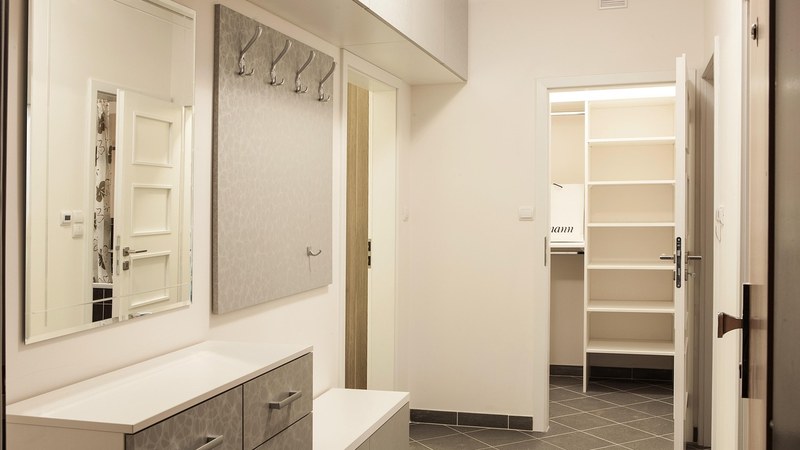
Next, the household map. Where are the light switches, the first-aid kit, the fire extinguisher, the spare key, the snacks, the cups, and the diapers? Where does the dog sleep, and what does the dog eat? A small map saves a lot of texting.
Keep the finished sheet in a plastic sleeve on the fridge and a copy in a folder by the door. A laminated page survives spills, sticky fingers, and the occasional toddler who decides it is a coloring project.
Then the routine. Dinner time and menu, bath time, pajamas, teeth, book, bed. Note what is flexible and what is not. If bedtime is firm, say so. If the child is allowed one more story, say so. Ambiguity invites negotiation.
Routines and boundaries
Write the evening in order, with approximate times. For a younger child: snack, bath, pajamas, teeth, two books, lights out. For an older child: homework check, dinner, free time, shower, reading, lights out. Include the one thing that must happen and the one thing that can slide if the evening goes sideways.
Be explicit about screens. Can the sitter use the TV? For how long? Are tablets allowed? Is there a password? A vague "they can watch something" becomes two hours of something. Write the rule and the fallback activity.
Set boundaries for discipline. What does the sitter do if the child refuses bedtime or hits a sibling? The answer should be simple: redirect, use the family's calm-down spot, and call the parent if the behavior continues. A sitter should not have to invent a discipline system in the moment.
For older children, add a homework note: what is due, what is optional, and whether the sitter should enforce it. For siblings, write one line about the usual conflict and the agreed response. "They argue over the blue cup; use the red one" is the kind of detail that prevents a small issue from becoming the whole evening.
Tell the sitter what to do if the child asks for the parent. A short script helps: "They will be home after bedtime. Let's finish the story." Then the sitter can text the parent a photo or a short update if it helps. The goal is comfort, not a perfect performance.
Use the planner to write the evening sequence before the sitter arrives. A short, printed timeline is easier to follow than a paragraph. The tool is not a babysitter app; it is a way to make the routine visible at a glance.
Emergency information
The emergency section should include 911, the poison control number, the nearest urgent care, the pediatrician, the insurance card location, and the name of a neighbor or relative who can come over. Add the child's medication, dosage, and location if applicable.
Include a signed authorization for emergency medical treatment if your doctor or school recommends one. Rules vary by location, so check what is appropriate for your family. At minimum, the sitter should know where the insurance card is and whom to call.
Show the sitter where the first-aid kit is and how to use the fire extinguisher. Walk through the exits. Confirm that the smoke detectors work. This takes five minutes and is more useful than another paragraph of instructions.
If the child has a specific medical condition, write a short action plan: what to look for, what to do first, who to call. Keep it on one page. A sitter should not be expected to remember a verbal explanation under stress.
Keep the emergency section current. Check phone numbers, insurance cards, and medication doses every few months. An outdated sheet is more dangerous than no sheet because it looks authoritative.
The return handoff
When the parents come home, ask three questions: How did dinner go? How did bedtime go? Was there anything I should know? The answers improve the next handoff and tell the sitter that their experience matters.
Ask for feedback on the sheet. Was anything missing? Was the routine realistic? A sitter who has just spent four hours in the household knows more about the handoff than the parent who wrote it. Update the page after the first few sessions.
Keep a short log in the same folder as the handoff: date, sitter, what worked, what to change. The log becomes the memory of the household. It also makes the next handoff faster, especially with a new sitter or a grandparent.
| Style | Verbal at the door | One-page sheet | App or shared note |
|---|---|---|---|
| Prep time | None | 20 minutes once | 30 minutes once |
| Reliability | Low | High | High if updated |
| Easy for grandparents | Sometimes | Yes | Depends on tech comfort |
| Emergency info | Often missing | Always present | Usually present |
| Best for | Brief, familiar visits | Most families | Regular sitters |
The handoff is not a test of the sitter. It is a transfer of the small knowledge that makes a household work.
Babysitter Handoff FAQ
What if it is the sitter's first time with our family?
Schedule a short visit before the first solo evening. Show them the kitchen, the bathroom, the first-aid kit, and the child's room. Walk through the routine together. The first handoff can be longer; the goal is familiarity, not speed.
How much detail is too much?
One page is the limit. If it does not fit, the sitter will not read it. Put the emergency information first, the routine second, and the household map third. Leave the family history for a conversation, not the sheet.
Should we use cameras or monitor the sitter?
If you use cameras, disclose them clearly and only in shared areas. Covert monitoring damages trust and is usually unnecessary. A clear handoff and a check-in text are better than surveillance.
What about grandparents or relatives who already know the children?
They still need the current routine. Bedtimes, allergies, and screen rules change. Give them the same one-page sheet and tell them what is different from the last time they babysat.
Tonight, write the one-page handoff: address, contacts, household map, routine, rules, and emergency information. Print two copies. After the next sitter visit, ask what was missing and update the page. The goal is a handoff that gets shorter and more accurate over time.
For more family logistics, see our guide to family logistics and the Weekly Family Schedule Planner.
Maya Thompson is a mother of two and a former project coordinator who writes about family schedules, chores, and the small systems that keep a household running. She tests the checklists she publishes with her own family and favors routines that survive a busy week.